
Best National Parks in Tanzania: Where to Go for an Unforgettable Safari
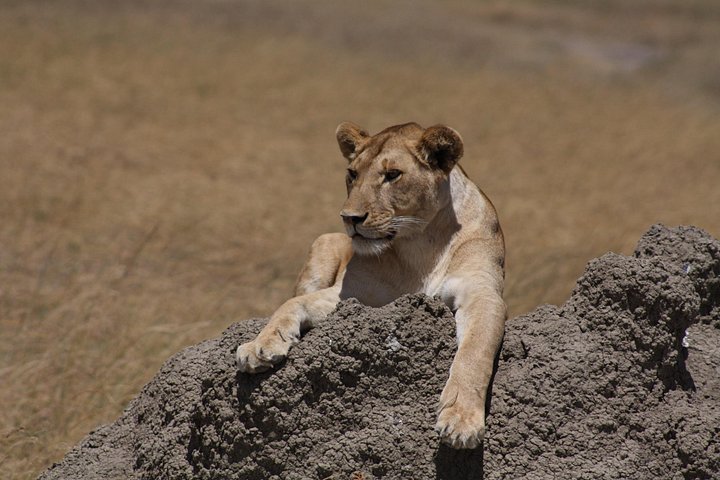
Tanzania is one of Africa’s most rewarding safari destinations, offering an extraordinary variety of wildlife, landscapes and natural experiences. From the famous plains of the Serengeti to the elephant-rich woodlands of Tarangire and the remote wilderness of Ruaha, the country has something for almost every type of safari traveller.
But with so many protected areas to choose from, an important question comes up when planning a trip: Which are the best national parks in Tanzania for a safari?
The answer depends on what you want to experience. Some parks are famous for the Great Migration and large predator populations, while others are ideal for elephants, boat safaris, walking experiences, birdwatching or quieter wildlife encounters.
In this guide, we explore ten of the best national parks in Tanzania, what makes each destination special, the wildlife you may encounter and how to decide which parks to include in your safari itinerary.
1. Serengeti National Park – Best for the Great Migration and Big Cats
Serengeti National Park is one of the most famous wildlife destinations in the world. Its endless grasslands, seasonal wildebeest migration and impressive predator populations make it a highlight of many Tanzania safari holidays.
The park forms part of the larger Serengeti ecosystem, which supports millions of wildebeest, zebras and gazelles moving between different grazing areas throughout the year.
The Great Migration is one of the main reasons travellers visit the Serengeti. Depending on the season, visitors may see large herds crossing open plains, gathering around rivers or moving towards fresh grazing areas.
Wildlife highlights:
- Lions, leopards and cheetahs.
- Wildebeest and zebras.
- Elephants, giraffes and buffalo.
- Hyenas and other predators.
- A wide variety of birds.
Best time to visit: June to October is popular for traditional dry-season wildlife viewing and opportunities to see northern migration activity. January to March is a particularly interesting period for calving in the southern Serengeti and Ndutu area.
Recommended stay: Three to four nights, depending on the areas you want to explore.
Best for: First-time safari visitors, wildlife photographers, Great Migration enthusiasts and travellers interested in big cats.
Read our detailed Serengeti National Park safari guide.
2. Ngorongoro Conservation Area – Best for Wildlife Concentration and Scenic Landscapes
Although often included in lists of Tanzania’s best safari parks, Ngorongoro is technically a conservation area rather than a national park.
Its most famous feature is the Ngorongoro Crater, a large volcanic caldera that supports a remarkable concentration of wildlife within a relatively compact landscape.
A game drive on the crater floor can provide opportunities to see lions, elephants, buffalo, zebras, wildebeest and, with some luck, the endangered black rhinoceros.
The surrounding conservation area also offers beautiful highland scenery and opportunities to learn about the relationship between wildlife conservation and local communities.
Wildlife highlights:
- Black rhinoceros.
- Lions and spotted hyenas.
- Elephants and buffalo.
- Zebras and wildebeest.
- Flamingos and other bird species.
Best time to visit: Ngorongoro can be visited throughout the year. The dry season from June to October is popular, although the crater supports wildlife in different seasons.
Recommended stay: One full day for a crater game drive, with additional nights depending on your wider Northern Circuit itinerary.
Best for: First-time visitors, families, wildlife photographers and travellers who want to experience a distinctive natural landscape.
3. Tarangire National Park – Best for Elephants and Baobab Landscapes
Tarangire National Park is one of the most rewarding destinations in Northern Tanzania, particularly during the dry season.
The Tarangire River becomes an important water source when seasonal water supplies become limited. Wildlife from surrounding areas gathers near the river, creating excellent opportunities for game viewing.
The park is especially well known for its large elephant herds and ancient baobab trees, which give the landscape a distinctive appearance.
Wildlife highlights:
- Large elephant herds.
- Lions and leopards.
- Giraffes and zebras.
- Wildebeest and several antelope species.
- Diverse birdlife.
Best time to visit: June to October is generally excellent for wildlife viewing, particularly around the Tarangire River. The green season also offers beautiful scenery and birdwatching opportunities.
Recommended stay: One to two nights.
Best for: Elephant enthusiasts, photographers, birdwatchers and travellers planning a Northern Circuit safari.
Tarangire is an excellent addition to a safari combining Serengeti and Ngorongoro.
Read our Tarangire National Park safari guide.
4. Nyerere National Park – Best for Boat Safaris and Remote Wilderness
Nyerere National Park is one of Tanzania’s largest national parks and a major destination in the Southern Safari Circuit.
Its landscapes are different from the open plains of the Serengeti. The park includes rivers, lakes, woodland and open grasslands, creating a varied environment for wildlife.
One of its biggest attractions is the Rufiji River, where visitors can enjoy boat safaris and observe hippos, crocodiles and waterbirds.
Game drives provide opportunities to encounter elephants, giraffes, buffalo, lions and other wildlife. Walking safaris are also available in permitted areas with authorised guides.
Wildlife highlights:
- Elephants and buffalo.
- Lions and spotted hyenas.
- Hippos and crocodiles.
- Giraffes and various antelope species.
- African wild dogs, although sightings are not guaranteed.
Best time to visit: June to October is popular for dry-season wildlife viewing. The green season offers different scenery and birdwatching opportunities, although rainfall can affect road conditions.
Recommended stay: Two to three nights.
Best for: Travellers seeking a less conventional safari, boat safaris, walking experiences and a quieter atmosphere.
Nyerere is particularly convenient for travellers starting their safari from Dar es Salaam or combining a wildlife adventure with a Zanzibar holiday.
Read our detail guide about Nyerere National Park
5. Ruaha National Park – Best for Remote Wildlife Adventures
Ruaha National Park is one of the most important wildlife destinations in Southern Tanzania. It is known for its rugged landscapes, baobab trees, river systems and impressive populations of large predators.
The Great Ruaha River and its surrounding habitats attract wildlife, particularly during the dry season.
Ruaha is also recognised for its lion populations and opportunities to encounter African wild dogs in suitable areas.
Compared with some of the more frequently visited Northern Circuit parks, Ruaha can provide a more remote safari atmosphere.
Wildlife highlights:
- Lions and leopards.
- African wild dogs.
- Elephants and buffalo.
- Greater and lesser kudu.
- Crocodiles and numerous bird species.
Best time to visit: June to October is particularly popular for game viewing as animals gather around remaining water sources.
Recommended stay: Three to four nights.
Best for: Experienced safari travellers, photographers, wildlife enthusiasts and visitors looking for a remote wilderness experience.
Ruaha can be explored as part of a longer Southern Tanzania safari or through a fly-in itinerary from Dar es Salaam or other safari destinations.
Discover our Ruaha National Park guide.
6. Mikumi National Park – Best for Short Safaris from Dar es Salaam
Mikumi National Park is a practical destination for travellers who want to experience a Tanzania safari without spending too many days travelling between parks.
Its open grasslands, particularly around the Mkata Floodplain, provide opportunities to see wildlife in a relatively accessible environment.
The park is popular with visitors travelling from Dar es Salaam, including those planning two-day and three-day safaris.
Mikumi is also suitable for travellers arriving in Dar es Salaam who want to add a wildlife experience to a city or coastal holiday.
Wildlife highlights:
- Elephants and giraffes.
- Zebras and wildebeest.
- Buffalo and various antelope species.
- Lions.
- Hippos and crocodiles in suitable habitats.
Best time to visit: June to October is popular for traditional wildlife viewing. The green season provides attractive scenery and good birdwatching opportunities.
Recommended stay: Two to three days.
Best for: First-time visitors with limited time, families, budget-conscious travellers and visitors based in Dar es Salaam.
Mikumi can also be combined with Udzungwa Mountains National Park for a safari and hiking experience.
Explore our Mikumi National Park safari guide.
7. Gombe Stream National Park – Best for Chimpanzee Tracking
Gombe Stream National Park is a small but remarkable protected area on the eastern shore of Lake Tanganyika.
It is internationally known for chimpanzee research and conservation, particularly the work associated with Jane Goodall.
Unlike traditional savannah safari destinations, Gombe offers a forest experience where visitors can trek through steep terrain in search of wild chimpanzees.
Chimpanzee tracking is conducted under park regulations, and sightings depend on the movements of the animals.
Wildlife highlights:
- Wild chimpanzees.
- Red-tailed monkeys.
- Red colobus monkeys.
- Forest birds and other small wildlife.
Best time to visit: The drier months, particularly June to October, are often preferred for forest trekking. Rainfall and trail conditions should be considered when planning.
Recommended stay: Two to three days, depending on travel arrangements and tracking opportunities.
Best for: Primate enthusiasts, nature lovers, researchers and travellers interested in a different kind of wildlife experience.
Gombe is not a conventional Big Five safari destination. It is better suited to visitors who specifically want to experience chimpanzee tracking.
8. Saadani National Park – Best for a Safari Near the Indian Ocean
Saadani National Park offers a distinctive combination of coastal scenery, wildlife habitats and Indian Ocean landscapes.
It is located between Dar es Salaam and Tanga and is one of the few protected areas in Tanzania where a traditional wildlife experience can be combined with a coastal environment.
The park includes beaches, mangroves, river systems, woodland and savannah habitats.
Visitors can enjoy game drives and explore the Wami River area, where hippos, crocodiles and birdlife may be encountered.
Wildlife highlights:
- Giraffes and buffalo.
- Elephants.
- Lions and other predators.
- Hippos and crocodiles.
- Coastal and wetland bird species.
Best time to visit: June to October is generally popular for dry-season game viewing.
Recommended stay: Two to three days.
Best for: Travellers interested in combining coastal scenery with a wildlife experience and visitors exploring the northern coastal region.
Saadani provides a different atmosphere from the large inland safari destinations.
9. Udzungwa Mountains National Park – Best for Hiking and Waterfalls
Udzungwa Mountains National Park is one of Tanzania’s most interesting destinations for nature lovers and hiking enthusiasts.
Unlike Serengeti and Mikumi, Udzungwa is primarily a forest and mountain destination rather than a conventional game-drive park.
Its tropical forests support endemic plants, monkeys, birds and other wildlife. The park is particularly famous for the Sanje Waterfalls, which can be reached through a guided hike.
Visitors can explore forest trails, enjoy mountain scenery and experience a different side of Tanzania’s natural environment.
Wildlife highlights:
- Udzungwa red colobus monkeys.
- Sanje mangabeys.
- Forest birds.
- Butterflies and other forest wildlife.
- Diverse endemic plant species.
Best time to visit: June to October is generally favourable for hiking, although conditions vary. The wetter months offer lush vegetation and waterfalls.
Recommended stay: One to two days for a short hiking visit.
Best for: Hikers, birdwatchers, nature photographers and travellers who want to combine a safari with outdoor adventure.
Udzungwa is a particularly good addition to a Mikumi safari.
10. Kitulo National Park – Best for Wildflowers and Highland Landscapes
Kitulo National Park is located in Tanzania’s Southern Highlands and offers a completely different experience from the country’s famous savannah parks.
Often referred to as the Serengeti of Flowers, Kitulo is recognised for its grassland ecosystems, seasonal wildflowers and highland scenery.
During the flowering season, the landscape becomes colourful with orchids and other flowering plants.
The park is particularly attractive to botanists, hikers and travellers interested in nature photography.
Wildlife and nature highlights:
- Seasonal wildflowers and orchids.
- Highland grassland habitats.
- Birds, including species associated with montane environments.
- Scenic highland landscapes.
Best time to visit: The flowering season is generally associated with the wetter months, particularly around November to April, although flowering varies with rainfall and location.
Recommended stay: One or two days.
Best for: Botanical enthusiasts, hikers, photographers and visitors exploring the Southern Highlands.
Kitulo is not a traditional Big Five safari destination. It is best included in a wider nature and adventure itinerary.
Comparing the Best National Parks in Tanzania
Choosing the right destination becomes easier when you compare what each park is known for.
| Destination | Main Attraction | Ideal For | Suggested Stay |
|---|---|---|---|
| Serengeti | Great Migration and predators | Classic safari | 3–4 nights |
| Ngorongoro | Crater wildlife and scenery | First-time visitors | 1 crater day |
| Tarangire | Elephants and baobab trees | Wildlife and photography | 1–2 nights |
| Nyerere | Boat safaris and wilderness | Southern safari | 2–3 nights |
| Ruaha | Predators and remote landscapes | Wildlife enthusiasts | 3–4 nights |
| Mikumi | Accessible game drives | Short safari | 2–3 days |
| Gombe | Chimpanzee tracking | Primate enthusiasts | 2–3 days |
| Saadani | Coastal wildlife experience | Safari and beach combinations | 2–3 days |
| Udzungwa | Forest hikes and waterfalls | Hiking and nature | 1–2 days |
| Kitulo | Wildflowers and highlands | Nature photography | 1–2 days |
These are suggested planning durations, not mandatory minimum stays. Actual travel time, park access and accommodation locations should be considered when preparing an itinerary.
Northern Tanzania vs Southern Tanzania: Which Safari Circuit Is Better?
One of the biggest decisions when planning a Tanzania safari is choosing between the Northern and Southern circuits.
Both offer excellent wildlife experiences, but they are different in terms of scenery, accessibility and safari activities.
Northern Tanzania Safari Circuit
The Northern Circuit is the traditional choice for first-time visitors.
Its main destinations include Serengeti, Ngorongoro and Tarangire, with Lake Manyara available as an additional stop.
Why choose the Northern Circuit?
- Excellent opportunities to see a wide variety of wildlife.
- The Great Migration in the Serengeti ecosystem.
- Famous safari landscapes and established accommodation options.
- Convenient combinations of several major destinations.
- A good choice for travellers visiting Tanzania for the first time.
Southern Tanzania Safari Circuit
The Southern Circuit is attractive to travellers seeking a different safari experience.
Its main destinations include Nyerere, Ruaha and Mikumi, with Udzungwa offering opportunities for hiking and nature exploration.
Why choose the Southern Circuit?
- Opportunities to explore less-visited wilderness areas.
- Boat safaris in Nyerere National Park.
- Walking safari experiences in permitted areas.
- Excellent wildlife viewing in Ruaha.
- Convenient short safaris to Mikumi from Dar es Salaam.
For travellers who want to explore this part of the country, our detailed Southern Tanzania safari guide explains the main parks, travel routes and safari possibilities.
Neither circuit is universally better. The right choice depends on your travel dates, budget, available time and the wildlife experiences you prefer.
Read our guide Northern safari vs Southern Safari
What Is the Best National Park in Tanzania for Different Travellers?
There is no single national park that is best for everyone. The following recommendations can help you narrow down your choices.
| Type of Traveller | Recommended Destination | Why |
|---|---|---|
| First-time safari visitor | Serengeti and Ngorongoro | Excellent introduction to Tanzania wildlife |
| Great Migration enthusiast | Serengeti | Seasonal migration movements |
| Elephant lover | Tarangire | Large elephant herds |
| Big cat enthusiast | Serengeti and Ruaha | Strong predator-viewing opportunities |
| Boat safari enthusiast | Nyerere | Rufiji River boat excursions |
| Short safari from Dar es Salaam | Mikumi | Convenient access |
| Chimpanzee enthusiast | Gombe | Guided chimpanzee tracking |
| Hiker and nature lover | Udzungwa | Forest trails and waterfalls |
| Coastal safari traveller | Saadani | Wildlife and Indian Ocean scenery |
| Botanical enthusiast | Kitulo | Seasonal wildflowers and highlands |
How Much Does a Tanzania National Park Safari Cost?
The cost of visiting Tanzania’s national parks depends on several factors, including the destination, number of days, park and conservation fees, accommodation, transport and number of travellers.
A private safari may cost more per person for a solo traveller than for a couple or family sharing the same vehicle.
Accommodation also makes a major difference. Budget camping, mid-range tented camps and luxury lodges have very different price structures.
As a broad planning guide, safari styles can fall into these approximate ranges:
| Safari Style | Indicative Price per Person per Day |
|---|---|
| Budget camping | $180–$350 |
| Mid-range safari | $350–$650 |
| Luxury safari | $800–$1,500+ |
These are indicative planning figures, not fixed prices for every park or itinerary. Short trips, fly-in safaris and multi-park journeys can have different costs.
Before booking, check what is included in your quotation, particularly park fees, accommodation, meals, transport and guide services.
For a more detailed breakdown, read our Tanzania safari cost guide.
Suggested Tanzania Safari Itineraries
If you are unsure how to combine the parks, these sample routes provide a useful starting point.
5-Day Northern Tanzania Safari
- Day 1: Tarangire National Park.
- Day 2: Transfer towards the Serengeti.
- Days 3–4: Game drives in Serengeti National Park.
- Day 5: Ngorongoro Crater game drive and onward departure, depending on the itinerary.
3-Day Mikumi Safari from Dar es Salaam
- Day 1: Travel from Dar es Salaam to Mikumi and enjoy an afternoon game drive.
- Day 2: Full-day wildlife viewing in Mikumi.
- Day 3: Morning activity or return journey to Dar es Salaam.
4-Day Southern Tanzania Safari
- Day 1: Travel to Nyerere National Park or fly in.
- Day 2: Game drives and wildlife exploration.
- Day 3: Boat safari along the Rufiji River, subject to availability and conditions.
- Day 4: Return to Dar es Salaam or continue with another destination.
These are example route structures. Actual itineraries depend on transport schedules, accommodation locations and park arrangements.
Read our safari tours page
Frequently Asked Questions About Tanzania National Parks
1. What is the best national park in Tanzania?
Serengeti National Park is often the first choice for travellers interested in the Great Migration and big cats. However, Tarangire, Nyerere, Ruaha and other parks offer different experiences. The best destination depends on your interests and travel plans.
2. Which Tanzania national park is best for the Big Five?
Serengeti and Ngorongoro are popular choices for travellers hoping to see the Big Five. Wildlife sightings are never guaranteed, and seeing all five species may require time and favourable conditions.
3. Which park is best for elephants in Tanzania?
Tarangire is particularly famous for its large elephant herds. Nyerere, Ruaha and other protected areas also support significant elephant populations.
4. Which Tanzania national park is best for the Great Migration?
Serengeti National Park is the main destination for the Great Migration. The location of the herds changes throughout the year, so your travel dates should determine which part of the ecosystem you visit.
5. Is Southern Tanzania worth visiting?
Yes. Southern Tanzania offers excellent wildlife experiences, boat safaris, walking activities and remote wilderness destinations. Nyerere, Ruaha and Mikumi are among the main parks to consider.
6. How many national parks should I visit on a Tanzania safari?
For a trip of five to seven days, two or three well-chosen destinations are often sufficient. Visiting too many parks in a short period can result in excessive driving and less time for wildlife viewing.
7. Can I combine a Tanzania safari with Zanzibar?
Yes. Many travellers combine a safari in Northern or Southern Tanzania with a beach holiday in Zanzibar. Domestic flights and other transfer arrangements can help connect the destinations.
8. What is the cheapest national park to visit in Tanzania?
There is no single cheapest park for every traveller. The total cost depends on transport, park fees, accommodation and the length of the safari. Mikumi can be a practical option for travellers starting in Dar es Salaam because of its road accessibility.
Plan Your Tanzania National Park Safari
Tanzania offers a remarkable choice of wildlife destinations, and each park has something different to offer.
If you are interested in the Great Migration and big cats, consider Serengeti. For elephants and baobab landscapes, Tarangire is an excellent option. If you prefer boat safaris and remote wilderness, Nyerere is worth considering, while Ruaha offers a rewarding experience for travellers looking for a more remote wildlife destination.
The best safari itinerary is the one that matches your interests, available time and budget.
At Otto Safari Guide Tanzania, we help travellers plan private and small-group safaris across Tanzania, including Northern and Southern Circuit destinations.
Whether you are planning a short wildlife trip from Dar es Salaam, a longer multi-park adventure or a safari combined with Zanzibar, we can help you choose suitable destinations and accommodation.
Contact Otto Safari Guide Tanzania to start planning your safari.
More Tanzania Safari Guides
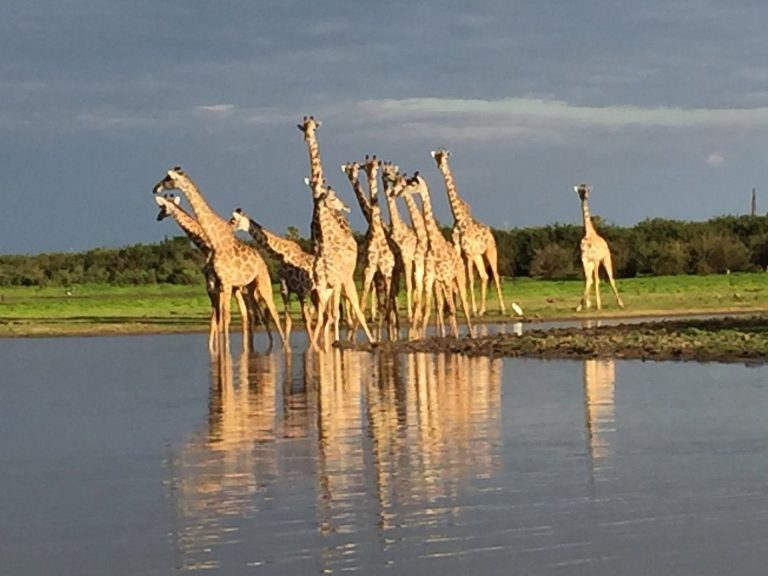
Which National Park Is Closest to Zanzibar? Best Safari Parks to Visit
Zanzibar is famous for its white-sand beaches, turquoise waters, historic Stone Town and beautiful tropical resorts. However, many visitors also…
Read more →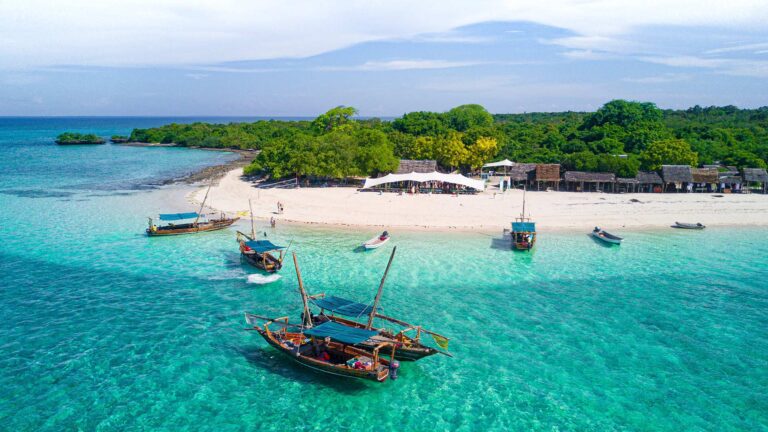
Tanzania’s Best Beaches – Where to Relax After Your Safari.
Best beaches in Tanzania, After an exhilarating safari in Tanzania, there’s no better way to unwind than on a tropical…
Read more →
15 Reasons Why Tanzania Is the Best Safari Destination
Introduction Tanzania is the heart of African safari adventures, offering a mix of iconic wildlife, breathtaking landscapes, and cultural richness.…
Read more →