June to October is the classic dry-season period and
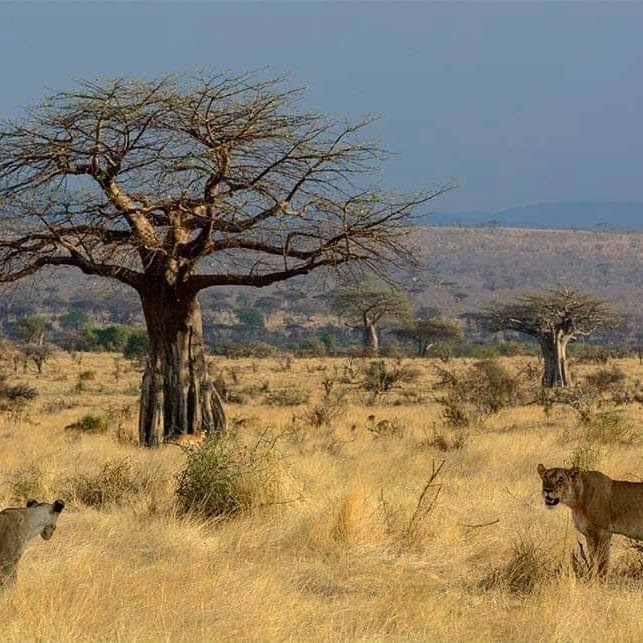
a strong choice for general wildlife viewing. With less vegetation and
animals often gathering around remaining water sources, game can be
easier to spot. These months are particularly popular with first-time
safari travelers combining the mainland with a Zanzibar beach stay.
January to March is especially interesting if you want
to visit the Serengeti during the calving season. Large numbers of
wildebeest gather in the southern Serengeti area, creating opportunities
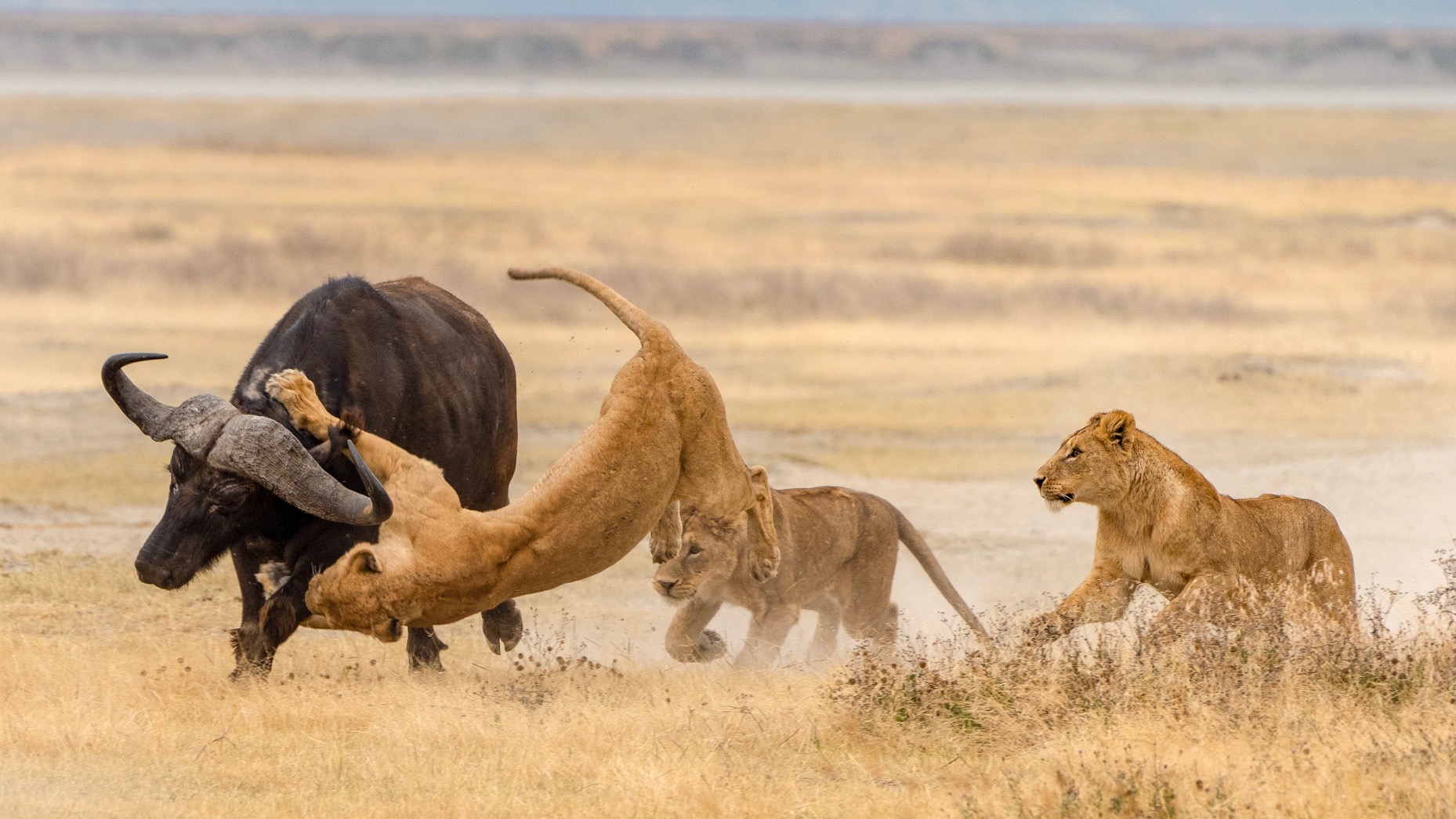
to see newborn animals as well as increased predator activity.
November to March can also be a rewarding green-season
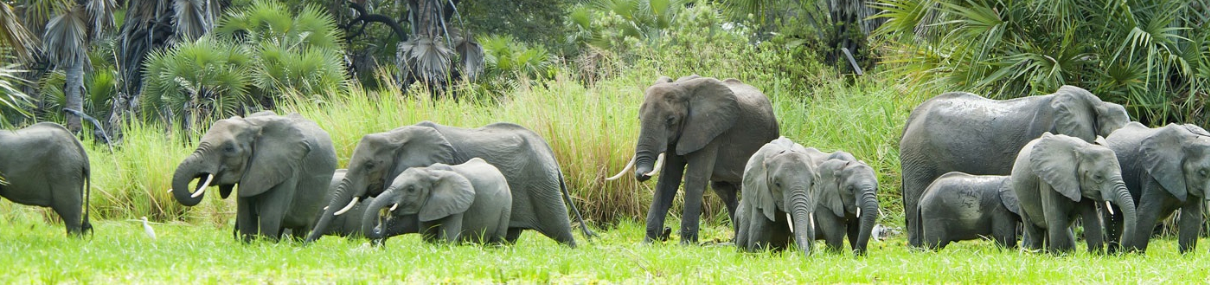
period. The landscapes become greener, birdlife is excellent and some
areas are quieter than during the busiest dry-season months.
If the Great Migration is your main reason for visiting,
timing is more complicated. The herds move throughout the year, and
river-crossing opportunities depend on where the animals are at the
time of your trip. July to October can offer opportunities in the
northern Serengeti, but crossings are never guaranteed on a particular
day.

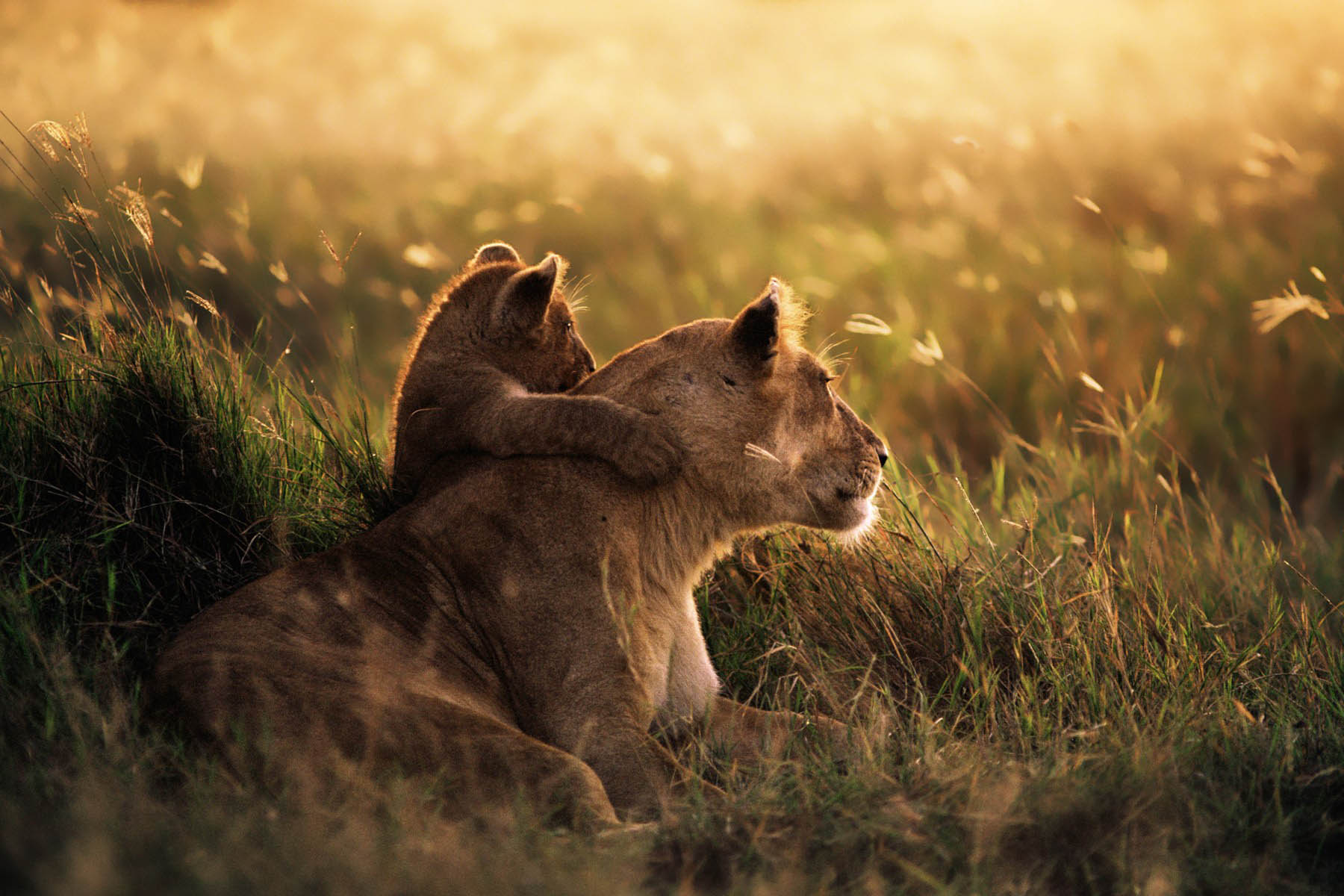
Zebra during a Tanzania game drive. Wildlife conditions change with
the season and the park you choose.