One of the unique features of the Serengeti is that you can visit any month of the year and still enjoy
incredible wildlife. What changes is where the herds are, how lush the plains look, and which experiences
take center stage in your African safari Serengeti itinerary.
From January to March, the Ndutu area in Southern Serengeti and the Ngorongoro Conservation Area
become the stage for the wildebeest calving season — hundreds of thousands of newborn calves and intense predator action.
As the long rains arrive, the herds gradually move west and then north towards the famous river crossings.
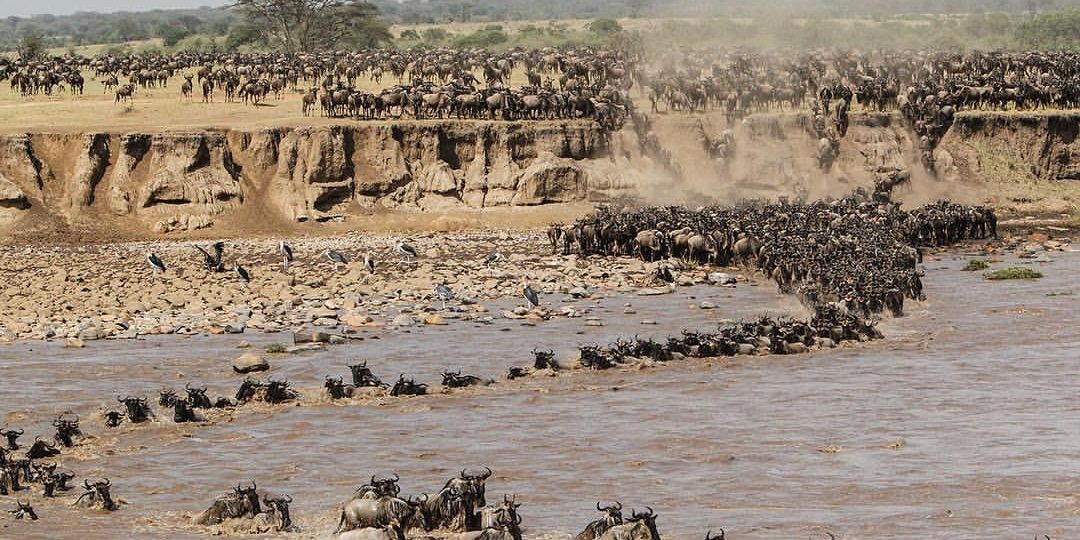
Between June and October, the western corridor and Northern Serengeti offer classic dry-season viewing
and the chance to witness dramatic Grumeti and Mara River crossings. In the so-called “green season”
from November to May, landscapes turn emerald, crowds thin out, and photographers and birders find some
of the most rewarding conditions of the year.
📌 If the Great Migration is your main goal, it’s essential to time your African safari Serengeti
to match the herds’ usual location for your travel month.