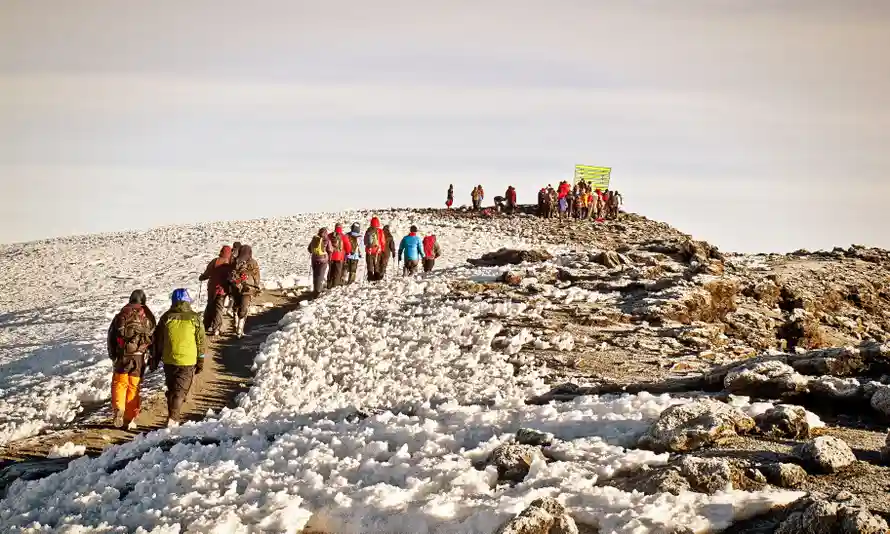
Climbing Mount Kilimanjaro is a dream for many adventurers, but the biggest challenge isn’t always the steep paths or long days of trekking — it’s altitude sickness. At 5,895 meters (19,341 ft), Kilimanjaro is the highest free-standing mountain in the world, and the rapid ascent puts climbers at risk of altitude-related illness.
Understanding the symptoms, prevention strategies, and safety measures is essential to reaching the summit safely.
1. What is Altitude Sickness?
Altitude sickness, also called Acute Mountain Sickness (AMS), occurs when your body cannot get enough oxygen at high altitudes. The higher you climb, the thinner the air becomes, making it harder for your body to adapt.
Kilimanjaro climbs are unique because they don’t require technical climbing skills, but the ascent is fast compared to other mountains, which increases the risk of AMS.
2. Common Symptoms of Altitude Sickness
Symptoms usually start above 2,500 meters, and almost every climber feels at least mild effects.
- Headache (most common)
- Nausea or vomiting
- Loss of appetite
- Dizziness or lightheadedness
- Fatigue and difficulty sleeping
- Shortness of breath, especially at night
3. Severe Altitude Sickness: When to Worry
In rare cases, altitude sickness can progress into dangerous, life-threatening conditions:
- High-Altitude Pulmonary Edema (HAPE): Fluid in the lungs. Symptoms include persistent cough, extreme shortness of breath, and chest tightness.
- High-Altitude Cerebral Edema (HACE): Fluid in the brain. Symptoms include confusion, loss of coordination, and hallucinations.
⚠️ Both conditions require immediate descent and medical attention.
4. How to Prevent Altitude Sickness on Kilimanjaro
Prevention is the best strategy for AMS. Here’s how to improve your chances of acclimatizing:
a) Choose the Right Route
- Longer routes (7–9 days), like the Lemosho or Northern Circuit, give your body more time to adapt.
- Shorter routes increase the risk of altitude sickness.
b) Climb High, Sleep Low
Some routes allow for acclimatization hikes where you ascend to a higher point during the day, then return to sleep at a lower altitude.
c) Hydrate Well
Drink 3–4 liters of water per day to stay hydrated and help your body adjust.
d) Eat Properly
Even if you lose appetite, try to eat carbs for energy — your body needs fuel at altitude.
e) Go Slow
Pole pole (“slowly, slowly” in Swahili) is the golden rule of Kilimanjaro. Walking slowly conserves energy and helps your body adapt.
f) Medication Options
- Diamox (Acetazolamide): Helps prevent and reduce AMS symptoms (consult your doctor before the climb).
- Ibuprofen/Paracetamol: Useful for headaches and mild discomfort.
5. Safety Measures on the Mountain
Professional Kilimanjaro operators always prioritize your safety. Standard safety protocols include:
- Twice-daily health checks (oxygen saturation & pulse)
- Guides trained in recognizing AMS
- Portable oxygen and first-aid kits
- Emergency evacuation plans
👉 If symptoms become severe, the only real cure is descending to a lower altitude.
6. Final Tips for a Safe Summit
- Pick a longer route for better acclimatization.
- Listen to your guides — they know the mountain and your safety comes first.
- Don’t ignore early symptoms — prevention is always better than risking severe illness.
- Remember: reaching the summit is amazing, but staying safe is more important.