
Tanzania Safari 2026/2027: The Complete Planning Guide for First-Time Visitors
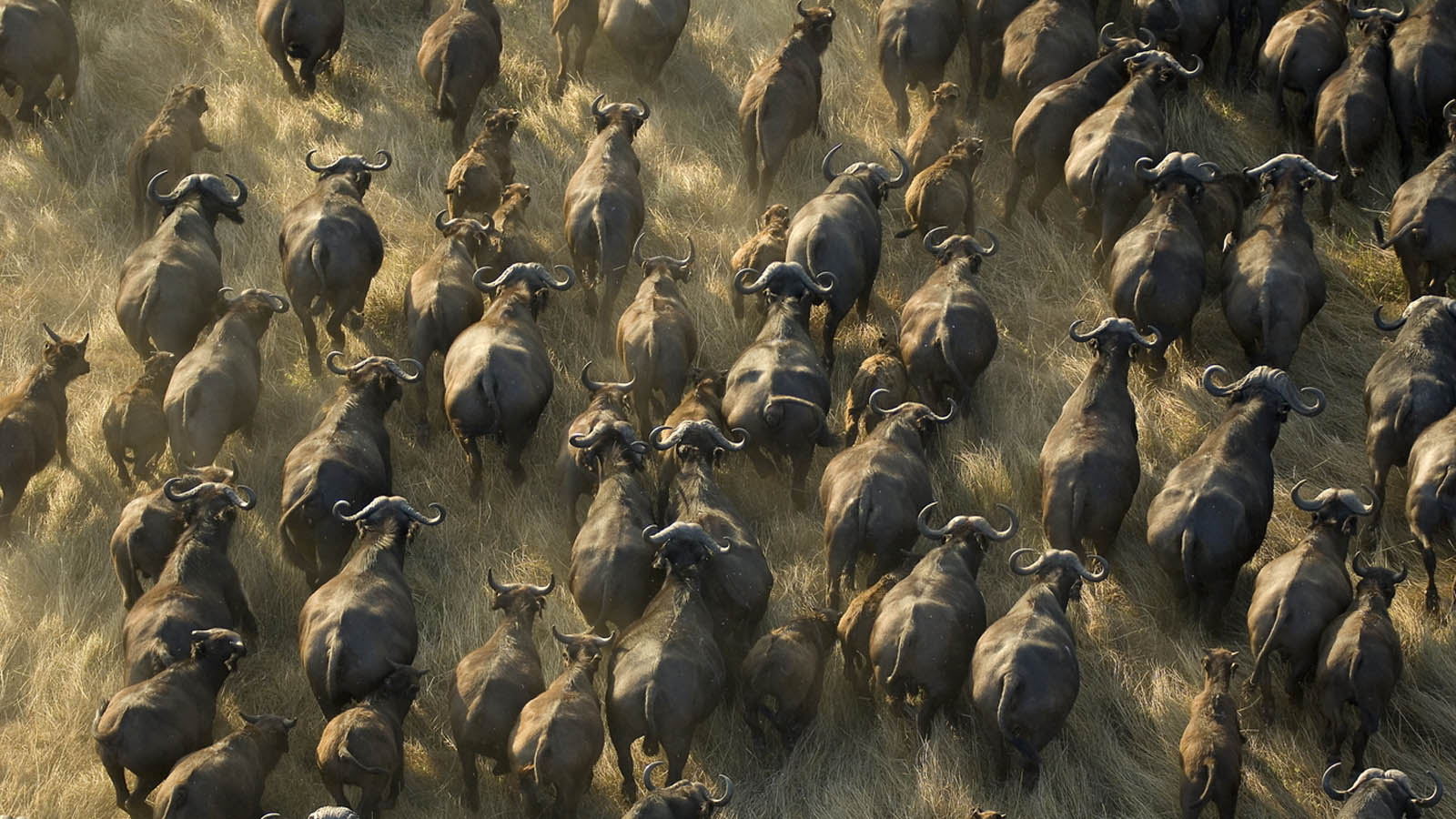
A safari in Tanzania offers an opportunity to experience some of Africa’s most remarkable wildlife and landscapes in a single trip. From the vast plains of Serengeti National Park to the wildlife-rich floor of Ngorongoro Crater, the country offers exceptional game viewing, diverse ecosystems and a wide choice of safari experiences.
For first-time visitors, however, planning can feel complicated. Tanzania has several different safari regions, different seasons, a wide range of accommodation and many ways to combine wildlife with Zanzibar or other destinations.
This guide explains the main options for 2026 and 2027, including where to go, when to travel, how much to budget and how to choose an itinerary that fits your interests.
What Is a Safari in Tanzania?
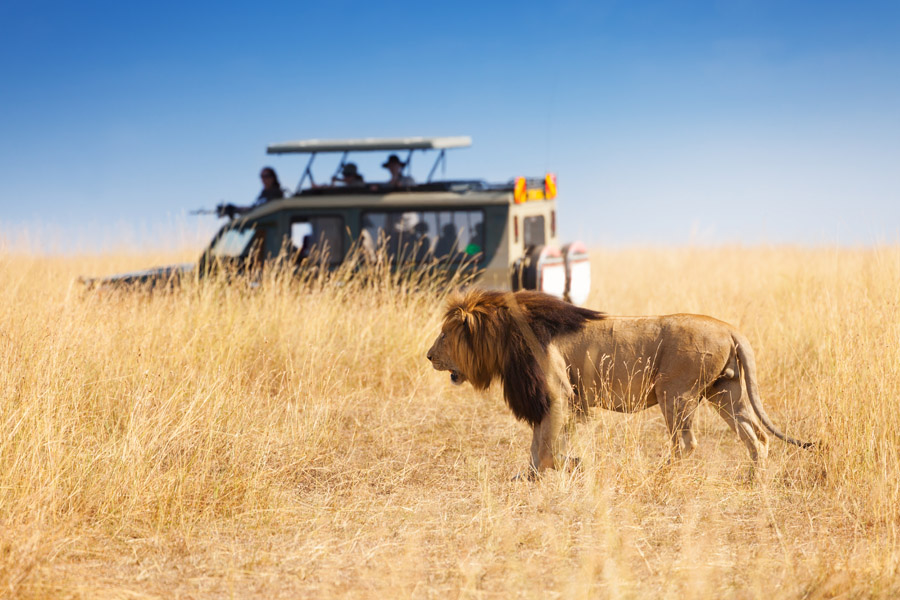
A typical safari is a guided journey through national parks and protected areas, usually in a specially equipped 4×4 vehicle with a professional driver-guide.
Depending on the destination and itinerary, you may experience:
- The Big Five — lion, leopard, elephant, buffalo and rhino
- The Great Migration in the Serengeti ecosystem
- Large herds of wildebeest and zebra
- Elephants, giraffes, hippos and many other species
- Savannah, woodland, river and mountain landscapes
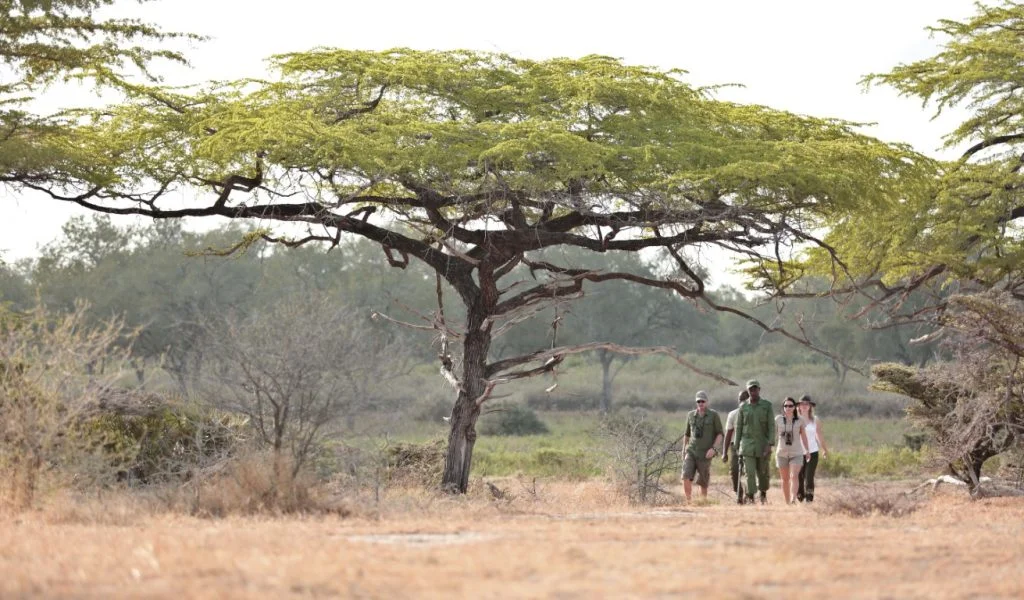
- Walking and boat excursions
- Birdwatching
- Cultural experiences with local communities
Most first-time visitors spend between 3 and 10 days on safari, although longer journeys can combine several regions or include Zanzibar.
If you are comparing different trip styles, explore our Tanzania safari packages for current itinerary options.
Understanding Tanzania’s Main Safari Circuits
One of the most important decisions is choosing the region you want to explore.
Tanzania’s safari destinations can broadly be grouped into the Northern, Southern and Western circuits. Each offers a different combination of wildlife, scenery, accessibility and atmosphere.
Northern Circuit: The Classic Choice
The Northern Circuit is the most established safari region and is usually the easiest choice for first-time visitors.
The main destinations include:
The region is particularly attractive because of its wildlife density, established tourism infrastructure and access to the Serengeti’s Great Migration.
Choose the Northern Circuit if you want:
- Excellent wildlife viewing
- The chance to follow the Great Migration
- A classic first safari experience
- A choice of budget, mid-range and luxury accommodation
- Relatively straightforward safari logistics
For most visitors, 4–8 days provides enough time to experience several highlights without making the itinerary too rushed.
Southern Circuit: More Wilderness, Fewer Vehicles
Southern Tanzania is a strong alternative for travelers who want a quieter and more flexible experience.
Important destinations include:
The Southern Circuit is known for expansive wilderness, strong wildlife viewing and a wider range of activities. Depending on the park, you can combine traditional game drives with boat trips or walking experiences.
It can also be particularly convenient for travelers starting from Dar es Salaam or Zanzibar.
Consider Southern Tanzania if you prefer:
- Fewer safari vehicles
- A more remote atmosphere
- Walking and boat experiences
- Large landscapes and wild scenery
- Private and tailor-made trips
- Combining several Southern destinations
Western Circuit: Remote and Off the Beaten Track
Western Tanzania is considerably more remote and is generally better suited to travelers looking for a less conventional safari.
Key destinations include:
Mahale is particularly famous for chimpanzee trekking, while Katavi offers remote wildlife experiences with comparatively few visitors.
Because of the distances involved and limited infrastructure, trips to this region are often more expensive and usually involve flying between destinations.
Western Tanzania is best for travelers who want:
- Remote wilderness
- Chimpanzee trekking
- Very low visitor numbers
- Fly-in travel
- A more exclusive safari experience
Which Safari Circuit Should First-Time Visitors Choose?
There is no single best region for everyone.
Your choice should depend on what you want to see and how you prefer to travel.
| Your priority | Recommended region |
|---|---|
| First safari | Northern Circuit |
| Great Migration | Serengeti |
| Fewer vehicles | Southern Circuit |
| Boat safari | Nyerere |
| Walking experience | Southern Circuit |
| Short trip from Dar es Salaam | Mikumi |
| Remote wilderness | Western Circuit |
| Chimpanzee trekking | Mahale |
| Safari combined with Zanzibar | Northern or Southern Circuit |
If you are unsure, start with your main wildlife priority, available time and budget rather than choosing a park simply because it is famous.
Best Time to Visit in 2026 and 2027
Tanzania can be visited throughout the year, but different months offer different advantages.
June to October: Dry Season
The dry season is generally considered one of the easiest periods for wildlife viewing.
As water becomes less available in many areas, animals often gather around remaining water sources, while vegetation becomes thinner.
Advantages include:
- Strong general wildlife viewing
- Comfortable conditions for game drives
- Excellent travel conditions in many areas
- Great opportunities to follow parts of the Great Migration
This is also one of the busiest periods, particularly in the most popular Northern Circuit destinations.
January and February: Calving Season
January and February can be particularly interesting for travelers interested in the Great Migration’s calving period.
The Southern Serengeti and surrounding areas can attract large numbers of wildebeest, while predator activity may also increase as young animals are born.
The landscape is generally greener than during the dry season.
November to December: Green Season
The short rains bring greener landscapes and can provide a different perspective on the parks.
Benefits can include:
- Fewer visitors than during peak months
- Green scenery
- Good photographic conditions
- Potentially better value at some properties
The best month ultimately depends on whether your priority is migration, general wildlife, lower visitor numbers, photography or budget.
For a more detailed month-by-month explanation, see our guide to the best time for a safari in Tanzania.
How Much Does a Safari Cost?
The cost of a safari in Tanzania depends on several factors rather than simply the number of days.
The biggest influences are:
- Number of safari days
- Parks and distances
- Accommodation standard
- Travel season
- Private or shared arrangements
- Road or fly-in transport
- Activities included in the itinerary
As a general planning guide, typical costs can fall around:
- Budget: $250–$400 per person per day
- Mid-range: $450–$700 per person per day
- Luxury: $800–$1,500+ per person per day
These are planning ranges rather than fixed prices. A short private trip and a longer multi-park luxury itinerary can have very different total costs.
Southern destinations can sometimes provide good value, while remote fly-in journeys and premium lodges can substantially increase the overall price.
For a detailed breakdown, see our Tanzania safari cost guide.
Choosing the Right Safari Style
Your travel style is just as important as your choice of park.
Common options include:
Private Safari
You travel with your own vehicle and guide, giving you greater flexibility over the itinerary and daily schedule.
This is particularly useful for families, couples, photographers and travelers with specific interests.
Group Joining Safari
You share a vehicle with other travelers.
This can reduce the cost and works well for travelers who are comfortable following a shared itinerary.
Fly-In Safari
Flights connect you directly with remote parks, reducing long road journeys.
Fly-in trips are particularly useful when time is limited or when visiting destinations such as Ruaha, Nyerere, Katavi or Mahale.
Camping Safari
Camping can provide a more immersive experience and can be available at different comfort levels, from basic public campsites to more comfortable mobile or private camping arrangements.
Walking and Boat Safaris
Some destinations allow you to experience the wilderness away from the vehicle.
Boat excursions are particularly associated with Nyerere, while walking experiences are available in selected areas.
Can You Combine Safari with Zanzibar?
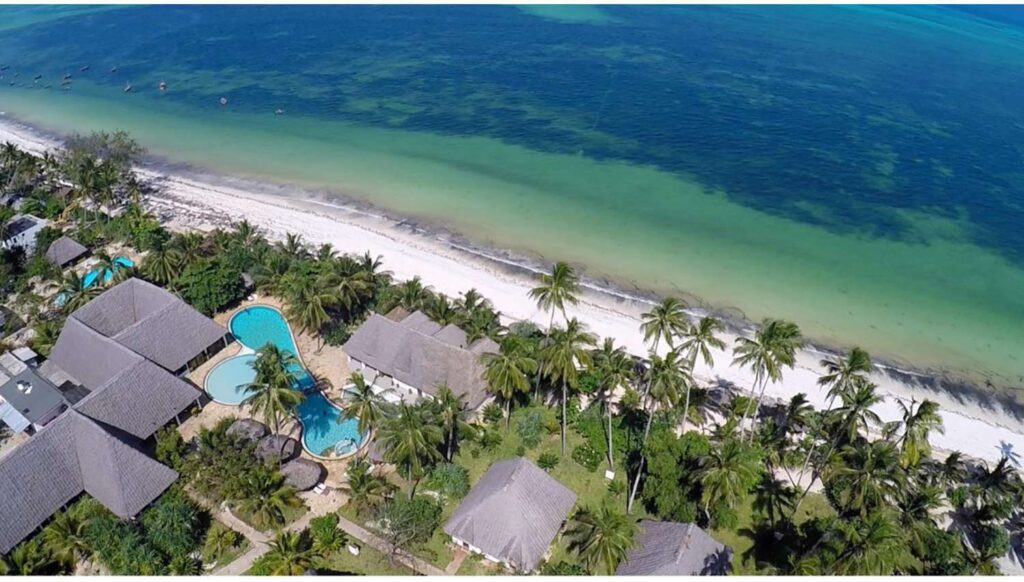
Yes. A wildlife trip and a beach holiday can be combined into one itinerary.
Popular combinations include:
- Zanzibar → Nyerere
- Zanzibar → Serengeti
- Zanzibar → Northern Circuit
- Zanzibar → Mikumi and Nyerere
- Safari → Zanzibar
Flying is usually the most convenient option when connecting Zanzibar with distant safari destinations.
For travelers interested in Southern Tanzania, the combination of Zanzibar + Nyerere + Mikumi or Ruaha can create a very different experience from the traditional Northern Circuit itinerary.
Read our detailed guide to Tanzania safari from Zanzibar.
Can You Start from Dar es Salaam?
Dar es Salaam is an excellent starting point for exploring Southern Tanzania.
Depending on your available time, you can reach destinations such as Mikumi and Nyerere by road, while flights can provide faster access to more distant parks.
For short trips, Mikumi can be particularly practical because of its relatively accessible location.
Travelers can also use the SGR railway as part of some itineraries, creating an alternative to driving.
See our guide to safaris from Dar es Salaam for more planning information.
What Should You Pack?
You do not need an enormous amount of luggage for a safari.
Useful items include:
- Lightweight, neutral-colored clothing
- A warm layer for cool mornings and evenings
- Comfortable walking shoes
- Sun hat
- Sunscreen
- Sunglasses
- Insect repellent
- Binoculars
- Camera and suitable zoom lens
- Reusable water bottle
- Small daypack
- Soft-sided luggage for fly-in trips
Avoid packing excessive luggage, particularly when your itinerary includes small aircraft, where baggage restrictions can apply.
Bright colors are generally best avoided during walking activities, while camouflage clothing should not be worn as everyday travel clothing.
How Far in Advance Should You Book?
The ideal booking time depends on when you plan to travel.
For peak periods such as June to October and popular migration dates, booking several months in advance gives you a better choice of camps, lodges and flight schedules.
For quieter periods, there may be more flexibility.
Early planning is particularly useful if you want:
- Specific lodges or camps
- A private vehicle
- A particular migration location
- Family rooms
- Honeymoon accommodation
- A combination of safari and Zanzibar
- Fly-in connections
Rather than booking simply because a particular park is popular, build the itinerary around the experience you want.
Why Consider a Local Safari Operator?
Working directly with a local operator can make itinerary planning easier, particularly when you want to combine several destinations or make changes to a standard package.
Potential advantages include:
- Local destination knowledge
- Direct communication
- Flexible itineraries
- Advice based on current travel conditions
- Knowledge of routes and park logistics
- Ability to combine different safari regions
- Support before and during the trip
At Otto Safari Guide, we plan private and tailor-made trips across Northern, Southern and selected Western Tanzania, including safari combinations with Zanzibar.
The right itinerary should reflect your available time, budget, interests and preferred level of comfort, rather than simply following a standard route.
A Simple Planning Formula for First-Time Visitors
If this is your first trip, start with these five questions:
1. How many days do I have?
A 3-day trip requires a different strategy from a 7- or 10-day journey.
2. What do I most want to see?
The Big Five, migration, elephants, predators, birds and chimpanzees may require different destinations.
3. What is my budget?
Accommodation and transport choices can make a major difference to the final price.
4. Do I prefer popular highlights or quieter wilderness?
The Northern Circuit offers classic destinations, while Southern and Western Tanzania can provide a more remote atmosphere.
5. Am I combining the trip with Zanzibar?
If yes, your flights and route should be planned together from the beginning.
Once these questions are answered, choosing the right parks becomes much easier.
Final Thoughts
Planning your first safari does not have to be complicated. The key is to choose destinations and travel dates based on what you actually want from the experience.
The Northern Circuit is an excellent introduction for first-time visitors who want classic wildlife destinations and the possibility of seeing the Great Migration. Southern Tanzania is attractive for travelers seeking fewer vehicles, larger wilderness areas and activities such as boat and walking safaris. Western Tanzania offers a more remote experience for those willing to travel farther.
Whether you have three days or two weeks, the best itinerary is one that balances wildlife, travel time, accommodation, activities and budget.
If you are planning a trip for 2026 or 2027 and would like help choosing the right route, you can contact Otto Safari Guide with your preferred travel dates, number of travelers and approximate budget.
More Tanzania Safari Guides

Southern Tanzania Safari vs Northern Tanzania Safari: Which Is Better?
Planning a safari in Tanzania often begins with one important question: should you choose Northern Tanzania or Southern Tanzania? Both…
Read more →
Best National Parks to Visit on a Tanzania Safari (Northern, Southern & Western Guide)
Choosing the right parks is the most important decision when planning a Tanzania safari. Tanzania offers three distinct safari circuits…
Read more →
Short Tanzania Camping Safaris from Zanzibar & Dar: Mikumi and Nyerere (Selous) Options
Not everyone has 7–10 days for Serengeti and Ngorongoro. The good news: if you’re in Zanzibar or Dar es Salaam,…
Read more →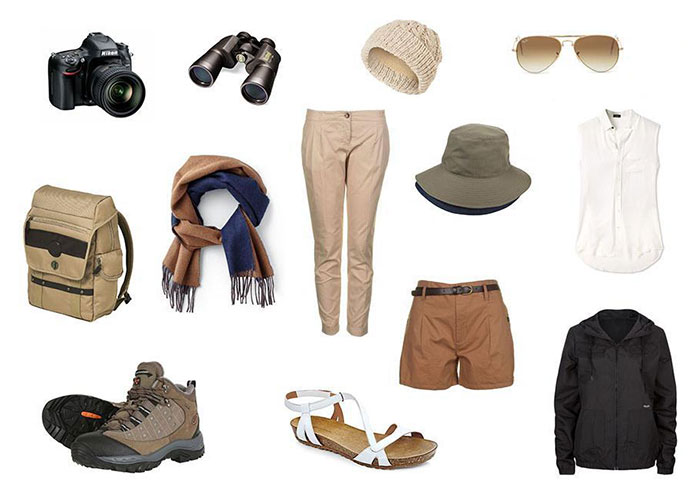
Tanzania Camping Safari Packing List: What to Bring (and What to Leave Behind)
Packing well can make your camping safari dramatically more comfortable—especially for early mornings, dusty game drives, and nights under canvas.…
Read more →