
Southern Tanzania Safari vs Northern Tanzania Safari: Which Is Best?
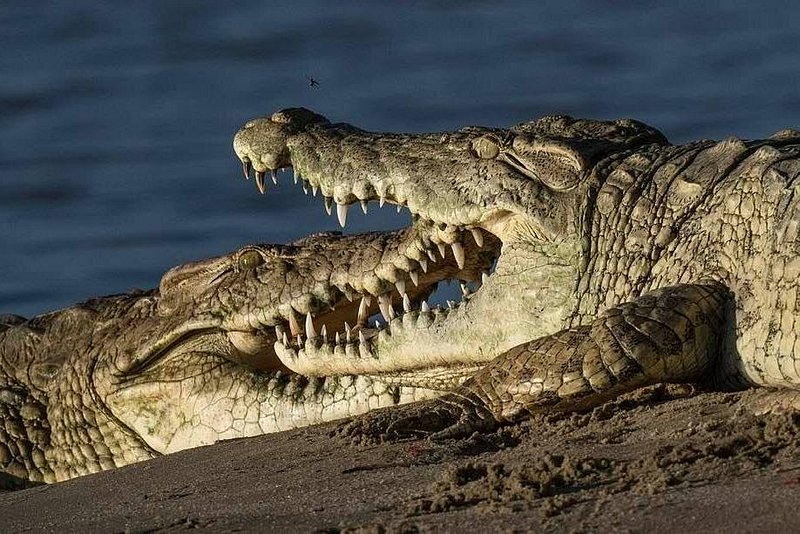
Tanzania is one of Africa’s leading safari destinations, but choosing where to go can be difficult when you are planning your first wildlife holiday. Two regions stand out: Northern Tanzania, famous for the Serengeti, Ngorongoro Crater and the Great Migration, and Southern Tanzania, known for its vast wilderness, river safaris and quieter wildlife experiences.
Both regions offer excellent opportunities to see African wildlife, but the experience can be quite different. Your choice depends on what you want to see, how much time you have, your travel budget and the kind of safari atmosphere you prefer.
So, should you choose a Southern Tanzania safari or a Northern Tanzania safari?
In this guide, we compare the parks, wildlife, landscapes, activities, accessibility, accommodation and costs to help you make the right decision. If you are already considering the southern circuit, you can also explore our Southern Tanzania safari experiences and packages.
1. Understanding Tanzania’s Northern and Southern Safari Circuits
Tanzania’s main safari destinations are spread across different parts of the country. The Northern and Southern circuits each have their own character, with different landscapes, wildlife habitats and travel arrangements.
Northern Tanzania Safari Circuit
The Northern Circuit is Tanzania’s best-known safari region. It attracts visitors from around the world because it combines several famous wildlife destinations within one travel route.
The main parks and conservation areas include:
- Serengeti National Park: Famous for the Great Migration, large predator populations and extensive open plains.
- Ngorongoro Crater: A remarkable volcanic caldera with a high concentration of wildlife.
- Tarangire National Park: Known for elephants, baobab trees and seasonal wildlife concentrations around the Tarangire River.
- Lake Manyara National Park: Known for its varied habitats, birdlife and tree-climbing lions, although sightings are never guaranteed.
- Arusha National Park: Offers forest, mountain scenery, walking experiences in designated areas and views of Mount Meru.
The Northern Circuit is particularly suitable for first-time safari visitors who want to experience several iconic destinations in one trip.
Explore our Northern Tanzania safari destinations for more information.
Southern Tanzania Safari Circuit
Southern Tanzania offers a different kind of safari experience. It is characterised by extensive wilderness areas, river systems, woodland, open plains and a generally less concentrated tourism network than the Northern Circuit.
Its main destinations include:
- Nyerere National Park: Known for the Rufiji River, boat safaris, elephants, lions, hippos, crocodiles and diverse birdlife.
- Ruaha National Park: A large wilderness area famous for elephants, baobab landscapes, lions and other predators.
- Mikumi National Park: A convenient destination for shorter safaris from Dar es Salaam, with open plains and a range of wildlife.
- Udzungwa Mountains National Park: Best known for rainforest, endemic species, hiking trails and the spectacular Sanje Waterfalls.
Southern Tanzania is a strong choice for travellers who want a combination of traditional game drives and activities such as boat safaris and guided walks where available.
Read our complete guide to Southern Tanzania safari destinations to explore the parks and possible itineraries.
2. Southern vs Northern Tanzania: Quick Comparison
| Feature | Southern Tanzania | Northern Tanzania |
|---|---|---|
| Main parks | Nyerere, Ruaha, Mikumi, Udzungwa | Serengeti, Ngorongoro, Tarangire, Lake Manyara |
| Safari atmosphere | Often quieter and more wilderness-focused | More established and popular |
| Famous for | River safaris, elephants, remote wilderness | Great Migration, Ngorongoro Crater, big cats |
| Wildlife viewing | Excellent, depending on park and season | Excellent, with some particularly concentrated viewing areas |
| Special activities | Boat safaris, selected walking safaris, hiking | Game drives, selected walking experiences and cultural visits |
| Accessibility | Road and scheduled or charter flights, depending on destination | Well-established road circuits and domestic flights |
| Best for | Returning visitors, nature lovers and travellers seeking a quieter safari | First-time visitors and travellers wanting iconic safari highlights |
| Typical trip style | Flexible short trips or longer wilderness journeys | Multi-park itineraries, often around 5–10 days |
Neither circuit is automatically better. The best choice depends on the experience you want.
3. Wildlife: Where Can You See More Animals?
Wildlife is usually the most important consideration when choosing a safari destination. Both regions have a wide range of animals, but their habitats and wildlife-viewing experiences differ.
Wildlife in Northern Tanzania
The Northern Circuit is especially popular for visitors hoping to see large numbers of animals in a relatively short period.
The Serengeti is famous for its wildebeest and zebra migrations, lions, cheetahs, leopards, elephants, giraffes and other wildlife. The timing and location of the migration change throughout the year, so the best area to visit depends on your travel dates.
The Ngorongoro Crater is another highlight. Its enclosed ecosystem supports a high concentration of wildlife, including elephants, buffaloes, lions, zebras and other species. Black rhinos are also present, although sightings are not guaranteed.
Tarangire is particularly rewarding for elephant viewing, especially during the dry season when animals gather around available water sources.
Explore:
Wildlife in Southern Tanzania
Southern Tanzania is also an excellent wildlife destination, particularly for travellers interested in elephants, lions, buffaloes, hippos, crocodiles, wild dogs and a wide variety of antelope species.
Nyerere National Park is especially distinctive because of the Rufiji River system. Wildlife gathers around the river and its channels, creating opportunities to observe animals from both game-drive vehicles and boats.
Ruaha is known for its elephant populations and predator-prey interactions. Its combination of baobab woodland, rocky landscapes and seasonal rivers creates a very different atmosphere from the open plains of the Serengeti.
Mikumi is a practical option for visitors with limited time. Its open Mkata floodplain makes wildlife easier to observe in many areas, although sightings vary with season and conditions.
Explore:
Our recommendation: Choose Northern Tanzania if the Great Migration and Ngorongoro Crater are priorities. Choose Southern Tanzania if you want to combine traditional wildlife viewing with river-based experiences and a more wilderness-focused safari.
4. The Great Migration: A Northern Tanzania Advantage
One of the biggest differences between the two circuits is the Great Migration.
Every year, millions of wildebeest, accompanied by zebras and gazelles, move through the Serengeti ecosystem in search of fresh grazing and water. Their movements follow seasonal rainfall rather than a fixed calendar.
Some of the most popular migration experiences include:
- Calving season in the southern Serengeti and Ndutu area, generally around January and February.
- Movement through the central and western Serengeti during different parts of the year.
- Northern Serengeti river-crossing areas, particularly during the period when migrating herds move north.
River crossings are unpredictable. Animals may cross at different locations and times, and no operator can guarantee a crossing.
Southern Tanzania does not host the Serengeti Great Migration, so travellers whose main goal is to follow the migration should choose the Northern Circuit.
However, Southern Tanzania offers its own seasonal wildlife movements and excellent opportunities to observe resident wildlife.
5. Boat Safaris and Walking Safaris: A Southern Tanzania Advantage
A Southern Tanzania safari can offer experiences that are not part of every traditional Northern Circuit itinerary.
Boat Safaris in Nyerere National Park
One of the most distinctive activities in Southern Tanzania is a boat safari on the Rufiji River.
From the water, visitors can observe hippos, crocodiles, waterbirds and animals coming to the riverbanks to drink. The experience provides a different perspective from a conventional game drive.
Boat safaris are particularly associated with Nyerere National Park and are subject to water levels, conditions and camp or operator arrangements.
Read more about boat safaris in Tanzania.
Walking Safaris
Walking safaris provide an opportunity to experience the smaller details of the African bush, including tracks, plants, insects, bird calls and animal behaviour.
In Southern Tanzania, guided walking safaris are available in selected areas and must be arranged with authorised guides and according to park regulations.
Learn more about walking safaris in Tanzania.
Hiking in Udzungwa Mountains
Another distinctive Southern Tanzania experience is hiking in Udzungwa Mountains National Park.
The park is known for its tropical forest, waterfalls, primates and birdlife. The hike to Sanje Waterfalls is one of its best-known experiences.
This makes it possible to combine a traditional wildlife safari in Mikumi with a mountain and rainforest experience in Udzungwa.
Discover Udzungwa Mountains National Park.
6. Landscapes and Scenery: Two Different Sides of Tanzania
The landscapes are another reason to choose one circuit over the other.
Northern Tanzania Landscapes
Northern Tanzania offers a remarkable variety of scenery:
- The endless grasslands and kopjes of the Serengeti.
- The dramatic volcanic landscape of Ngorongoro Crater.
- The baobab-dotted plains of Tarangire.
- The forests and lakeshore habitats of Lake Manyara.
- The mountain scenery around Arusha and Mount Meru.
The Northern Circuit is ideal for travellers who want to experience several famous landscapes in one journey.
Southern Tanzania Landscapes
Southern Tanzania has a more varied wilderness character, with large rivers, woodlands, rocky hills and open plains.
Nyerere is associated with the Rufiji River, lakes, channels and extensive bushland. Ruaha has dramatic baobab landscapes, rocky outcrops and seasonal rivers. Mikumi features open grasslands surrounded by mountain ranges, while Udzungwa is characterised by rainforest and mountainous terrain.
If you enjoy landscapes that feel remote and varied, the Southern Circuit is worth serious consideration.
7. Safari Crowds and Privacy
The Northern Circuit receives a large share of Tanzania’s safari visitors, particularly around popular destinations such as the Serengeti and Ngorongoro Crater.
During busy travel periods, several safari vehicles may gather around a notable wildlife sighting. This does not happen at every sighting or in every area, but it is a factor worth considering.
Southern Tanzania generally has fewer visitors spread across extensive protected areas. This can create a quieter atmosphere, particularly in remote sections of Nyerere and Ruaha.
However, visitor numbers vary by park, season, camp location and time of day. Southern Tanzania is not completely free from other safari vehicles, and some popular areas can become busy.
If a quieter safari atmosphere is important to you, Southern Tanzania may be the better choice.
8. Accessibility: Getting to the Parks
Travel arrangements can influence your choice, especially if you are working with a limited number of holiday days.
Getting to Northern Tanzania
Most Northern Circuit safaris begin in Arusha or Kilimanjaro International Airport.
Travellers commonly reach the parks by road in a 4WD safari vehicle. Domestic flights are also available to selected airstrips, particularly for visitors choosing fly-in safaris.
The established road circuit makes it practical to combine Tarangire, Ngorongoro and Serengeti in one itinerary.
Getting to Southern Tanzania
Southern Tanzania can be reached by road or air, depending on the park.
- Mikumi: Accessible by road from Dar es Salaam. Travellers can also use the SGR train to the Morogoro area and arrange onward transfers.
- Nyerere: Accessible by road or by domestic flights to selected airstrips, depending on the safari area and flight schedule.
- Ruaha: Often visited by domestic flight for shorter luxury or mid-range itineraries, although road travel is also possible.
- Udzungwa: Usually combined with a road journey, often alongside Mikumi.
For travellers based in Dar es Salaam, Mikumi is one of the most practical options for a short safari.
You can also explore our safari from Dar es Salaam by SGR train.
9. Accommodation: Lodges, Tented Camps and Camping
Both circuits offer different accommodation categories, from budget camping to luxury safari lodges.
Accommodation in Northern Tanzania
The Northern Circuit has a large selection of accommodation, including permanent lodges, mobile tented camps and luxury properties.
Examples include:
- Tukaone Camp
- Serengeti Serena Safari Lodge
- Ngorongoro Serena Safari Lodge
- Lake Manyara Serena Safari Lodge
Accommodation in Southern Tanzania
Southern Tanzania also offers a variety of camps and lodges, including riverside properties, remote bush camps and comfortable safari lodges.
Examples include:
- Nyerere Tented Camp
- Siwandu Camp
- Rufiji River Camp
- Ikuka Safari Camp
- Mwagusi Safari Camp
- Camp Bastian Mikumi
Accommodation availability and prices depend on travel dates, room category and season. For Southern Tanzania, it is particularly important to confirm the camp’s location in relation to the park area and the activities you want to include.
10. Which Safari Circuit Is More Affordable?
There is no universal answer because safari costs depend on the number of travellers, accommodation level, park fees, transport, flights and the length of the trip.
However, the two circuits have some practical differences.
Southern Tanzania Safari Costs
Mikumi can be a relatively accessible option for travellers starting in Dar es Salaam, particularly when travelling by road or using the SGR train with an onward transfer.
Nyerere and Ruaha can require more transport planning. Fly-in safaris may reduce road travel time but usually increase the overall price.
Northern Tanzania Safari Costs
Northern Tanzania has a wide range of accommodation and safari options. A road-based camping itinerary can help manage costs, while luxury lodges and migration-focused mobile camps can increase the total budget.
Ngorongoro conservation fees, crater service fees, park fees and accommodation choices all influence the final quotation.
For a clearer understanding of safari budgets, read our Tanzania safari cost guide.
You can also compare available Tanzania safari packages.
11. Best Time to Visit Southern and Northern Tanzania
Both regions can be visited throughout the year, but seasonal conditions influence wildlife viewing, road access and accommodation availability.
Northern Tanzania
The dry season, generally from June to October, is popular for wildlife viewing. Animals often gather around remaining water sources, and vegetation is less dense.
January and February are also important months for visitors interested in the wildebeest calving season in the southern Serengeti and Ndutu ecosystem.
The timing of the Great Migration changes from year to year, so itineraries should be planned around current migration patterns rather than relying on fixed dates.
Southern Tanzania
June to October is generally a popular period for visiting Nyerere, Ruaha and Mikumi. Dry conditions often make wildlife easier to locate around rivers and water sources.
The green season can also be rewarding for birdwatching and beautiful landscapes, but heavier rainfall, road conditions and seasonal camp operations need to be considered.
For both regions, the best travel period depends on the specific park and the experience you want.
12. Can You Combine Southern and Northern Tanzania in One Safari?
Yes. Travellers with enough time can combine both circuits into one extended Tanzania safari.
A combined itinerary gives you the opportunity to experience the Serengeti and Ngorongoro in the north, followed by the river landscapes of Nyerere or the wilderness of Ruaha in the south.
However, the two regions are geographically far apart. Combining them usually requires domestic flights or a longer road journey, so it is important to plan the route carefully.
Here are three possible itinerary ideas:
Option 1: 8-Day Northern and Southern Tanzania Safari
- Days 1–2: Tarangire and Ngorongoro.
- Days 3–5: Serengeti National Park.
- Days 6–8: Nyerere National Park.
Option 2: 10-Day Tanzania Wildlife and Wilderness Safari
- Days 1–2: Mikumi National Park.
- Days 3–5: Ruaha National Park.
- Days 6–7: Nyerere National Park.
- Days 8–10: Serengeti National Park.
Option 3: 12-Day Complete Tanzania Safari
- Days 1–3: Tarangire and Ngorongoro.
- Days 4–6: Serengeti National Park.
- Days 7–9: Ruaha National Park.
- Days 10–12: Nyerere National Park.
These are planning examples, not fixed routes. Actual itineraries should account for flight schedules, park entry arrangements, accommodation locations and the time needed to travel between destinations.
For many travellers, choosing one circuit and exploring it properly is more enjoyable than trying to cover too much in a short holiday.
13. Which Safari Should You Choose?
The right safari depends on your priorities.
Choose Northern Tanzania if:
- You want to experience the Great Migration.
- Seeing the Serengeti is one of your main travel goals.
- You want to visit Ngorongoro Crater.
- You are visiting Tanzania for the first time and want to explore its most famous safari destinations.
- You want to combine several established northern parks in one road itinerary.
Choose Southern Tanzania if:
- You prefer a quieter, more wilderness-focused safari atmosphere.
- You want to experience a boat safari on the Rufiji River.
- You are interested in elephants and the wildlife of Ruaha.
- You are travelling from Dar es Salaam and want a practical safari to Mikumi.
- You want to combine wildlife viewing with walking experiences or hiking in Udzungwa.
- You have already visited the Serengeti and want to explore a different side of Tanzania.
Our Recommendation
For travellers who have never been to Tanzania, the Northern Circuit is an excellent introduction, especially if the Great Migration and Ngorongoro Crater are high on their list.
However, Southern Tanzania deserves equal consideration. Its combination of river safaris, extensive wilderness, diverse landscapes and opportunities for different activities makes it a rewarding destination in its own right.
If you have already visited the northern parks, or you want a safari with a different atmosphere, we recommend exploring the Southern Tanzania safari options.
14. Frequently Asked Questions
Is Southern Tanzania better than Northern Tanzania?
Neither region is better for every traveller. Northern Tanzania is particularly strong for the Great Migration and Ngorongoro Crater. Southern Tanzania is attractive for boat safaris, extensive wilderness areas and a quieter safari atmosphere in many locations.
Which part of Tanzania has more wildlife?
Both regions have abundant wildlife. Northern Tanzania has particularly concentrated viewing areas such as Ngorongoro Crater and major migration routes in the Serengeti. Southern Tanzania has extensive wildlife habitats in Nyerere and Ruaha. Actual sightings depend on the park, season and location.
Is Southern Tanzania less crowded?
Southern Tanzania generally receives fewer safari visitors than the most popular Northern Circuit destinations. However, visitor numbers vary by park and season, and popular areas can still have other safari vehicles.
Can I see the Big Five in Southern Tanzania?
Southern Tanzania has populations of elephants, lions, buffaloes, leopards and rhinoceros in the wider ecosystem, but sightings of all five are not guaranteed. Rhino sightings are particularly difficult and should not be treated as an expected part of every safari.
Is Mikumi part of Southern Tanzania?
Yes. Mikumi is commonly included in Tanzania’s Southern Safari Circuit. It is a practical destination for travellers starting in Dar es Salaam and can be combined with Udzungwa Mountains National Park.
Is the Serengeti in Southern Tanzania?
No. Serengeti National Park is in Northern Tanzania. It is one of the main destinations in the Northern Safari Circuit.
How many days do I need for a Southern Tanzania safari?
A short Mikumi safari can be arranged over one or two days, depending on transport arrangements. Three to five days can provide more time for Nyerere or a combination of Mikumi and Udzungwa. Ruaha generally benefits from a longer stay because of its size and travel distance.
Can I fly from Zanzibar to Southern Tanzania?
Yes. Domestic flights connect Zanzibar with selected safari destinations and airstrips, depending on airline schedules and seasonal operations. Nyerere is a popular fly-in safari option from Zanzibar. The exact route and availability should be confirmed before booking.
Is Northern Tanzania more expensive than Southern Tanzania?
Not necessarily. Both regions offer different budget levels. Costs depend on accommodation, transport, park fees, flights, group size and itinerary length. A road safari to Mikumi may be more affordable than a fly-in safari to a remote camp, while a luxury Northern Circuit itinerary can also be expensive.
Plan Your Southern Tanzania Safari
Whether you choose the famous plains of the Northern Circuit or the river landscapes and wilderness of the south, Tanzania offers exceptional opportunities to experience African wildlife.
If you are interested in exploring beyond the traditional Serengeti and Ngorongoro route, Southern Tanzania is an excellent place to start. You can experience game drives in Nyerere, explore Ruaha’s distinctive landscapes, visit Mikumi or add a hiking adventure in Udzungwa Mountains.
At Otto Safari Guide, we help travellers plan private and tailor-made safaris according to their travel dates, interests, accommodation preferences and budget.
Explore our Southern Tanzania safari packages or contact our team to plan your journey.
More Tanzania Safari Guides
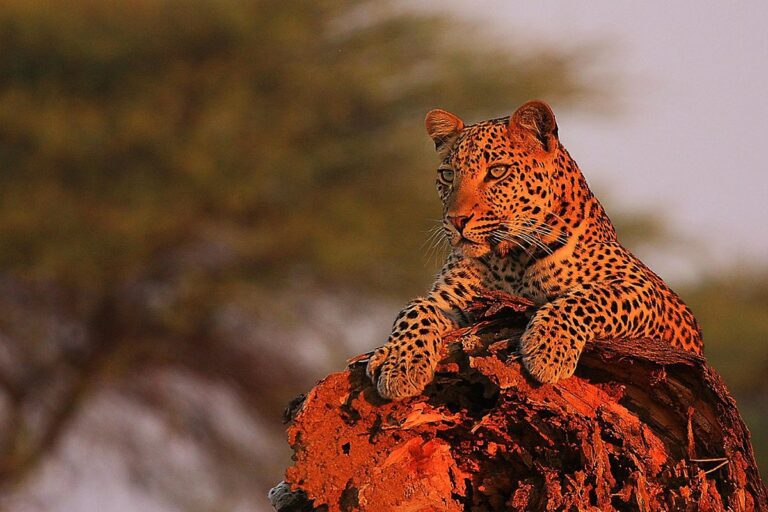
Southern Tanzania Safari Itineraries: Best 1 to 10-Day Safari Tours
Southern Tanzania is an excellent destination for travellers who want to explore Tanzania’s wildlife beyond the popular Northern Circuit. With…
Read more →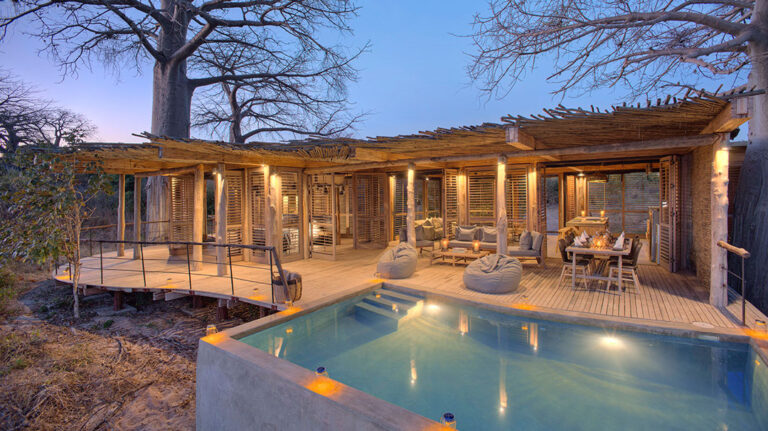
Southern Tanzania Safari Cost: Budget vs Luxury – How Much Should You Expect to Pay?
Planning a safari in Southern Tanzania is an exciting way to experience some of Africa’s most impressive wilderness areas. From…
Read more →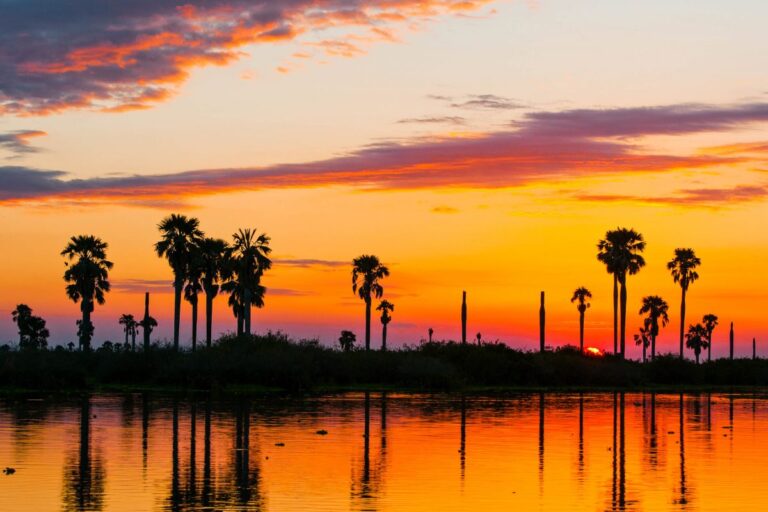
Southern Tanzania Safari Activities: 8 Unforgettable Experiences Beyond Game Drives
Southern Tanzania is one of Africa’s most rewarding safari destinations for travellers looking for wildlife, adventure and authentic wilderness experiences.…
Read more →