
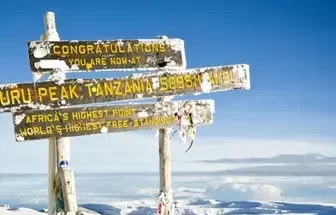
Kilimanjaro Climbing
Plan your climb of Mount Kilimanjaro with a clear
understanding of the routes, climbing durations,
acclimatization, mountain accommodation, preparation,
costs and what to expect from the journey to Uhuru Peak.
Climbing Mount Kilimanjaro in Tanzania
Mount Kilimanjaro is Tanzania’s highest mountain
and one of the world’s best-known high-altitude
trekking destinations. A Kilimanjaro climb takes
you through several ecological zones, from cultivated
and forested lower slopes to high alpine terrain and
the summit environment around Uhuru Peak.
Choosing a Kilimanjaro climb is about more than
selecting a number of days. The route, itinerary
length, accommodation style, acclimatization schedule,
physical preparation and pace all influence the
experience.
This guide is designed to help you understand those
choices before you compare our climbing itineraries.

Mount Kilimanjaro
Summit
Uhuru Peak
Summit Elevation
5,895 m
Country
Tanzania
Kilimanjaro Climbing Routes
Kilimanjaro has several established trekking routes.
Each has a different approach, landscape, accommodation
style and itinerary structure. Explore the detailed
route guides before selecting your climb.
Marangu Route
The Marangu Route is known for its mountain hut
accommodation and established approach to the
summit.
Machame Route
Machame is a camping route with varied scenery and
a structured approach through several mountain
environments.
Lemosho Route
Lemosho provides a longer western approach with
multiple itinerary options and time for gradual
progression toward higher elevations.
Rongai Route
Rongai approaches Kilimanjaro from the northern side
and provides a different perspective of the mountain.
Umbwe Route
Umbwe is known for its direct mountain approach and
a demanding early ascent before joining the higher
mountain trail system.
Northern Circuit Route
The Northern Circuit follows a longer circuit around
the mountain and provides an extended itinerary
before the summit attempt.
Compare Kilimanjaro Routes
The routes differ in approach, accommodation and
itinerary length. Use this overview as a starting point,
then read the individual route guide for deeper details.
| Route | Accommodation | Available Itineraries | Route Character |
|---|---|---|---|
| Marangu | Mountain huts | 5 & 6 days | Established hut route |
| Machame | Camping | 6 & 7 days | Scenic camping approach |
| Lemosho | Camping | 7 & 8 days | Longer western approach |
| Rongai | Camping | 7 days | Northern approach |
| Umbwe | Camping | 7 days | Direct and demanding approach |
| Northern Circuit | Camping | 9 days | Extended mountain circuit |
What Makes a Kilimanjaro Climb Different?
Kilimanjaro is a high-altitude trek rather than a
technical mountaineering climb on the standard routes.
Preparation and acclimatization remain important parts
of planning.
Altitude
The summit reaches approximately 5,895 metres.
Altitude can affect climbers differently, making
gradual ascent and attention to symptoms important.
Changing Environments
The climb passes through changing vegetation and
climatic zones as the elevation increases toward
the summit.
Summit Day
The final ascent is typically the most demanding
section of the itinerary, with cold temperatures,
high elevation and a long trekking day.
Route Selection
The route you choose affects the scenery,
accommodation style, duration and overall structure
of your mountain experience.
Preparation
Physical preparation, suitable clothing, footwear,
hydration and appropriate pacing all contribute to
a better-prepared climb.
Mountain Crew
Your guide and mountain crew provide practical
support throughout the trek and help manage the
daily progression of the climb.
How Many Days Do You Need?
Kilimanjaro itineraries vary in length because routes
can be arranged with different numbers of trekking
days and acclimatization schedules.
Otto Safari Guide’s current catalogue focuses on
nine specific itineraries rather than creating a
large number of nearly identical products.
- Marangu Route — 5 Days
- Marangu Route — 6 Days
- Machame Route — 6 Days
- Machame Route — 7 Days
- Lemosho Route — 7 Days
- Lemosho Route — 8 Days
- Rongai Route — 7 Days
- Umbwe Route — 7 Days
- Northern Circuit Route — 9 Days
Altitude and Acclimatization
Acclimatization is one of the central considerations
when planning a Kilimanjaro climb. The mountain rises
from lower cultivated and forested areas to an
extremely high summit environment.
A longer itinerary can provide more time on the
mountain and a more gradual progression, although no
itinerary can guarantee that a climber will avoid
altitude-related problems.
Climbers should communicate openly with their guides
about how they are feeling and follow professional
mountain guidance throughout the ascent.

Best Time to Climb Kilimanjaro
Kilimanjaro can be climbed during different seasons,
but many travelers prefer periods associated with
generally drier conditions.
Commonly preferred climbing periods include
January to March and
June to October. Weather can still
change rapidly on the mountain, particularly at
higher elevations.
Your route and itinerary should therefore be planned
with the possibility of rain, cold, wind and changing
mountain conditions in mind.
Preparing for a Kilimanjaro Climb
Good preparation starts before you arrive in Tanzania.
The climb involves consecutive days of walking,
elevation gain and changing temperatures.
Physical Preparation
Regular walking, hiking and cardiovascular
exercise can help prepare your body for
consecutive trekking days. Training should be
adapted to your current fitness and experience.
What to Pack
Clothing should be suitable for changing
temperatures. Layers, comfortable trekking
footwear, rain protection, warm summit clothing,
personal medication and appropriate hydration
equipment are among the practical considerations.
Pace
Mountain trekking is not a race. A controlled
pace helps conserve energy during the ascent and
allows the climbing team to manage the itinerary
appropriately.
Weather
Conditions can vary considerably between the
lower slopes and summit area. Preparation should
account for both wet and cold conditions.
Explore Kilimanjaro Climbing Tours
Compare the nine focused Kilimanjaro itineraries by
route and duration, then open an individual tour for
the detailed day-by-day schedule, pricing,
inclusions and booking information.
Combine Kilimanjaro with a Tanzania Safari
Your Tanzania adventure does not have to end after the
mountain. Many travelers combine a Kilimanjaro climb
with a Northern Tanzania safari, creating one trip that
includes mountain trekking and wildlife viewing.
Depending on your itinerary, a safari extension can
include destinations such as Serengeti National Park,
the Ngorongoro area and Tarangire National Park.
Kilimanjaro Route Guides
Before booking, explore the dedicated route guides for
deeper information about each approach, accommodation,
route profile, climbing experience and itinerary
structure.
Marangu Route Guide
Explore the Marangu approach, hut accommodation,
route stages and available climbing itineraries.
Machame Route Guide
Learn about the Machame approach, camping experience,
daily stages and climbing options.
Lemosho Route Guide
Understand the longer Lemosho approach and how its
itineraries are structured.
Rongai Route Guide
Discover the northern approach and the characteristics
of the Rongai climbing itinerary.
Umbwe Route Guide
Learn about the direct Umbwe approach and its
demanding route profile.
Northern Circuit Route Guide
Explore the longer circuit approach and its extended
Kilimanjaro trekking structure.
Frequently Asked Questions About Kilimanjaro Climbing
How long does it take to climb Mount Kilimanjaro?
The duration depends on the route and itinerary.
Otto Safari Guide currently offers selected
itineraries from 5 to 9 days across Marangu, Machame,
Lemosho, Rongai, Umbwe and Northern Circuit routes.
Which Kilimanjaro routes can I choose from?
The current route catalogue includes Marangu, Machame,
Lemosho, Rongai, Umbwe and Northern Circuit routes.
Each has a different approach and itinerary structure.
What altitude is Mount Kilimanjaro’s summit?
Uhuru Peak, the summit of Mount Kilimanjaro, is
approximately 5,895 metres above sea level.
Do Kilimanjaro climbs include accommodation?
Accommodation depends on the selected route. The
Marangu Route is known for mountain hut accommodation,
while the other routes in the current catalogue use
camping-based mountain accommodation.
When is the best time to climb Kilimanjaro?
January to March and June to October are commonly
preferred periods for climbing because they generally
offer drier conditions. Mountain weather can change,
however, so preparation for variable conditions is
important.
Can I combine Kilimanjaro with a Tanzania safari?
Yes. A Kilimanjaro climb can be combined with a
Northern Tanzania safari, allowing travelers to add
wildlife destinations such as Serengeti, Ngorongoro
and Tarangire to their mountain journey.
Start Planning Your Kilimanjaro Climb
Explore the available routes, compare the nine focused
itineraries and choose the Kilimanjaro climb that fits
your travel plans.