A Tanzania camping safari can be the best-value way to experience Serengeti, Ngorongoro, Tarangire, Nyerere, Ruaha, and Mikumi—without sacrificing the wildlife. But “cheap” and “expensive” mean very different things in safari pricing, because the final cost depends on park fees, routing, camping style, and your group size.
If you’re comparing options and want a tailor-made quote (budget to private mobile camping), start here: our Tanzania camping safari page covers routes, styles, and planning.
1) The 6 cost buckets inside a camping safari quote
Most Tanzania camping safari prices can be understood by breaking them into six core categories:
1. Park & conservation fees
These are often the biggest fixed cost, especially in the Northern Circuit. Fees vary by park and can change by season or regulation. If you’re comparing quotes, always confirm whether park fees are included.
2. Vehicle, fuel, and logistics
A private 4×4 (Land Cruiser or similar), fuel, and long-distance transfers add up—especially if your itinerary includes the Southern Circuit (Ruaha) or Western parks (Katavi/Mahale).
3. Guide & staff
Camping safaris are staff-driven: driver-guide, camp crew, and often a safari chef. Higher-end setups add more staff and service.
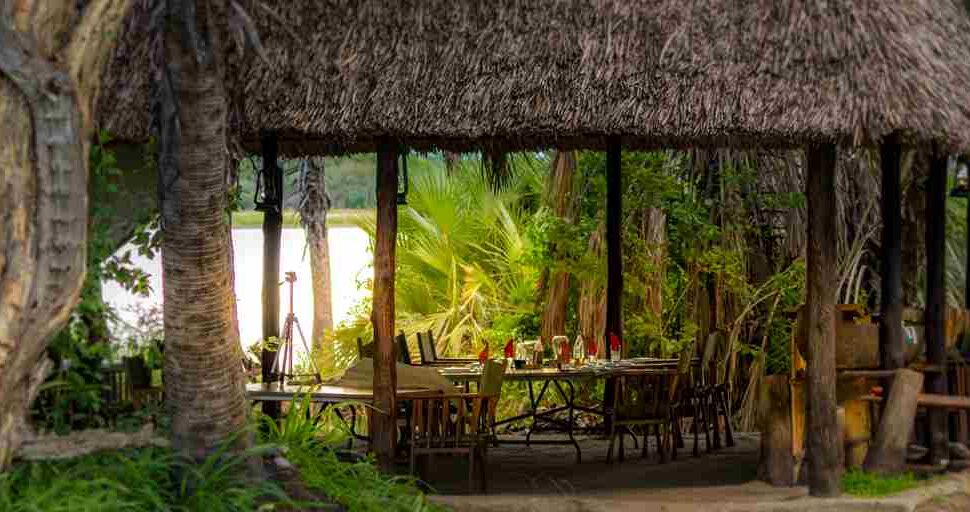
4. Camping style (public vs private vs mobile)
- Budget camping often uses public campsites and simpler dome tents.
- Semi-luxury camping usually means larger tents and better camp setup.
- Private mobile camping is the most flexible (moving camps with you) and often the most premium.
5. Meals & water
Full-board meals and drinking water during game drives are usually included. Premium setups may include more varied menus and upgraded dining setups.
6. Extras & add-ons
Typical add-ons include:
- Sleeping bag rental (if not included)
- Zanzibar extension
- Domestic flights (Zanzibar ↔ Nyerere / Serengeti / Arusha)
- Cultural visits and special activities where permitted
2) Typical daily ranges (realistic planning numbers)
While every itinerary differs, these are practical planning ranges many travelers use:
- Budget camping: ~$150–$250 per person/day
- Semi-luxury camping: ~$250–$400 per person/day
- Luxury tented / higher-end camping setups: ~$400–$800+ per person/day
What changes the most? Park fees + whether you’re flying or driving + whether it’s a private trip.
3) The “hidden” price driver: routing
Two itineraries can have the same number of days but very different totals because of routing:
Northern Circuit (Arusha base):
Tarangire → Serengeti → Ngorongoro is classic. Great wildlife density, but Ngorongoro conservation fees can increase the total.
Southern Circuit (Dar base):
Nyerere + Mikumi + Ruaha is adventurous and less crowded, but transfers are longer—especially if Ruaha is included by road.
4) Group size changes everything
Safari pricing is not linear. A couple often pays more per person than a group of 4–6, because the vehicle and guide costs are split.
If you’re planning family travel or friends traveling together, ask for a quote that shows:
- price for 2 people
- price for 4 people
- price for 6 people
This is often where the “value” becomes clear.
5) How to save money without reducing wildlife quality
Here are the best cost-saving levers that do not ruin the safari:
- Travel shoulder season (green season can be excellent for scenery and quieter parks)
- Choose smart routing (avoid backtracking; reduce long transfer days)
- Mix camping + 1 lodge night (good for rest while keeping costs in control)
- Skip internal flights when time allows (or do one flight only)
- Pick parks based on your starting point (Zanzibar/Dar guests often get best value with Nyerere/Mikumi)
6) What to ask before you book (to compare quotes correctly)
Use this checklist:
- Are park fees included?
- Is the safari private or shared?
- Which campsites are used (public/private)?
- What camping gear is included (sleeping bag, mattress thickness, etc.)?
- How many game drives are included?
- Any hidden charges (fuel surcharge, vehicle fees, guide fees)?
Ready for a price that matches your exact trip?
Share your dates, group size, and comfort level, and we’ll price the best route for your budget. Start here: plan your camping safari in Tanzania.
Blog 2: Northern vs Southern Camping Safari
Suggested URL slug: /northern-vs-southern-tanzania-camping-safari/
Primary intent: Route comparison + match user to best circuit
Northern vs Southern Tanzania Camping Safari: Which Circuit Fits You Best?
Choosing the right circuit is the fastest way to get the safari you want—at the right price. Tanzania has two major camping safari “worlds”: the Northern Circuit (Serengeti/Ngorongoro/Tarangire) and the Southern Circuit (Nyerere/Mikumi/Ruaha). Both deliver big wildlife, but the experience feels very different.
If you want a custom route recommendation (including Zanzibar or Dar starting points), see our guide to Tanzania camping safaris and routes.
1) Northern Circuit camping safari: best for first-timers and iconic wildlife
Best parks: Tarangire, Serengeti, Ngorongoro
Start/end: Arusha or Kilimanjaro (KIA)
Why people choose it:
- Highest “iconic Tanzania” factor
- Serengeti big cats and migration possibilities
- Ngorongoro is a wildlife-dense crater day (often excellent for black rhino chances)
What to know:
- It’s popular—expect more vehicles in peak season
- Ngorongoro-related fees can be a bigger part of your total cost
- Camping logistics are straightforward, and you have many itinerary variations
Ideal trip length: 6–10 days for a balanced route
2) Southern Circuit camping safari: best for remote wilderness and fewer crowds
Best parks: Nyerere (Selous), Mikumi, Ruaha
Start/end: Dar es Salaam (or Zanzibar via flights)
Why people choose it:
- More “wild” and remote feel
- Excellent variety: boat safari in Nyerere + classic game drives
- Great for repeat safari travelers who want something different from the north
What to know:
- Drive times can be longer (especially if adding Ruaha by road)
- Costs vary widely depending on whether you drive or fly between parks
- Wildlife is superb, but the experience is more rugged and adventurous
Ideal trip length: 5–9 days (or longer if you want Ruaha)
3) Quick comparison: how to choose in 60 seconds
Choose Northern Circuit if you want:
- Serengeti + Ngorongoro as top priorities
- A “first Tanzania safari” classic route
- More accommodation choices and standard logistics
Choose Southern Circuit if you want:
- Fewer crowds and wilder landscapes
- Boat safari + walking options (where available)
- A route that starts naturally from Dar or Zanzibar
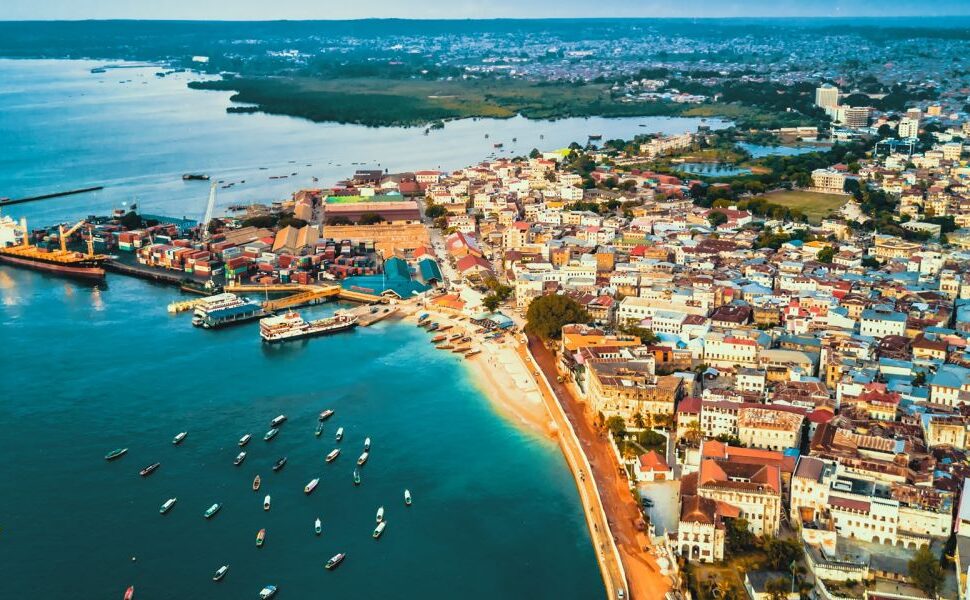
4) Best circuit if you start from Zanzibar
Zanzibar travelers often do best with one of these:
- Short Southern: Fly Zanzibar → Nyerere (2–4 nights) → fly back
- North combo: Zanzibar → fly to Arusha/Serengeti → Northern Circuit → back to Zanzibar
Your time decides everything. If you have 3–5 days, Southern is usually more efficient. If you have 7–10+ days, the north becomes the strongest choice.
5) The best answer is often “mix—but keep it efficient”
Mixing north and south is possible, but it can add internal flights and time. If your goal is maximum wildlife per day, choose one circuit and do it properly.
Want the best route for your dates and budget?
Tell us your starting point (Zanzibar/Dar/Arusha), number of days, and comfort level. We’ll recommend the circuit that fits—then build the itinerary. Start here: Tanzania camping safari planning.