
Planning a safari in Tanzania often begins with one important question: should you choose Northern Tanzania or Southern Tanzania? Both regions offer incredible wildlife, breathtaking landscapes, and unforgettable safari experiences, yet they are remarkably different in terms of crowds, activities, accessibility, and overall atmosphere.
Northern Tanzania is home to some of Africa’s most famous safari destinations, including Serengeti National Park and the Ngorongoro Crater. It attracts thousands of visitors each year who come to witness the Great Wildebeest Migration and experience Tanzania’s classic safari circuit.
Southern Tanzania, on the other hand, remains one of Africa’s best-kept safari secrets. The region offers vast wilderness areas, fewer vehicles, exclusive wildlife encounters, boat safaris, walking safaris, and a stronger sense of adventure. Parks such as Nyerere National Park, Ruaha National Park, Mikumi National Park, and Udzungwa Mountains National Park provide a very different safari experience compared to the north.
So which safari is better? The answer depends on your travel style, budget, wildlife interests, and expectations. This guide compares both regions to help you decide which Tanzania safari is right for you.
What Is Northern Tanzania?
Northern Tanzania is the country’s most visited safari region and is often considered the traditional Tanzania safari route. Most visitors arrive through Kilimanjaro International Airport or Arusha Airport before beginning a safari through the famous Northern Circuit.
The Northern Circuit typically includes:
Serengeti National Park
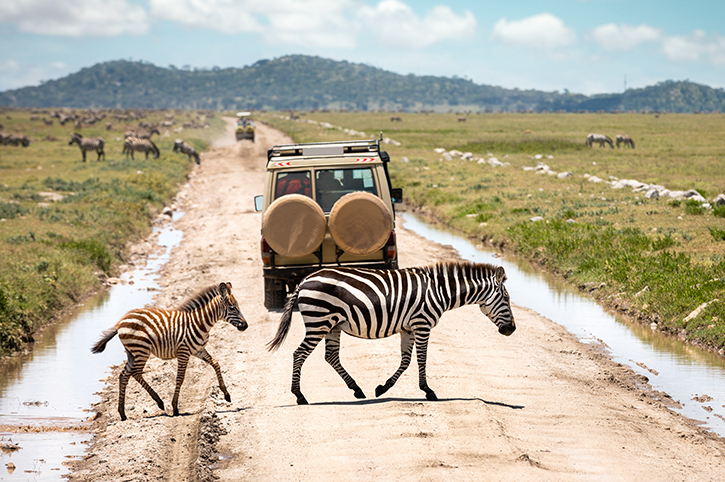
Serengeti National Park is one of the most famous wildlife destinations on Earth. Covering more than 14,000 square kilometres, it is best known for the Great Wildebeest Migration, where more than two million wildebeest, zebras, and gazelles move across the ecosystem in search of fresh grazing.
Visitors can enjoy exceptional wildlife viewing throughout the year, including lions, cheetahs, leopards, elephants, buffalo, giraffes, and countless antelope species.
Ngorongoro Crater
Often called the Eighth Wonder of the World, the Ngorongoro Crater is the world’s largest intact volcanic caldera. The crater floor contains one of the highest concentrations of wildlife in Africa and offers one of the best opportunities to see the Big Five in a single day.
Tarangire National Park
Tarangire is famous for its enormous elephant herds, giant baobab trees, and excellent dry-season wildlife viewing. During the peak season, thousands of animals gather along the Tarangire River.
Lake Manyara National Park
Lake Manyara offers a diverse mix of habitats, including groundwater forests, open grasslands, and the alkaline lake itself. The park is known for tree-climbing lions, large baboon troops, and exceptional birdlife.
For first-time visitors to Tanzania, the Northern Circuit provides the classic safari experience that many people imagine when planning an African safari.
What Is Southern Tanzania?
Southern Tanzania covers a vast wilderness region stretching across some of the country’s largest protected ecosystems. Unlike the north, which is concentrated around a few famous parks, Southern Tanzania focuses on remote landscapes, lower visitor numbers, and more immersive safari experiences.
The Southern Circuit is built around four primary destinations:
Nyerere National Park
Nyerere National Park, formerly part of the famous Selous Game Reserve, is one of Africa’s largest protected wildlife areas. The park is best known for its Rufiji River ecosystem, which creates opportunities for boat safaris, walking safaris, and traditional game drives.
Visitors frequently encounter elephants, buffalo, giraffes, hippos, crocodiles, lions, and a wide variety of bird species.
Ruaha National Park
Ruaha National Park is Tanzania’s largest national park and one of Africa’s most rewarding wilderness destinations. The park supports large elephant populations and some of East Africa’s highest predator densities.
Ruaha is particularly famous for:
- Large lion prides
- Leopards
- African wild dogs
- Hyenas
- Exceptional elephant sightings
Its remote location means visitors often spend hours exploring without seeing another safari vehicle.
Mikumi National Park
Mikumi National Park is the most accessible safari destination in Southern Tanzania and is particularly popular for safaris from Dar es Salaam. The park’s open plains support healthy populations of lions, elephants, zebras, buffalo, wildebeest, giraffes, and numerous antelope species.
Mikumi is ideal for short safaris and travellers with limited time.
Udzungwa Mountains National Park
Unlike traditional safari destinations, Udzungwa Mountains National Park focuses on hiking, rainforest exploration, and endemic wildlife. Visitors come to trek through tropical forests, visit the spectacular Sanje Waterfalls, and search for rare primates found nowhere else on Earth.
Many travellers combine Udzungwa with Mikumi to create a balanced wildlife and adventure itinerary.
Wildlife Comparison: Which Region Has Better Wildlife?
This is often the most important factor when choosing between Northern Tanzania and Southern Tanzania.
Northern Tanzania Wildlife
Northern Tanzania generally offers higher wildlife density and easier animal sightings. The Serengeti ecosystem alone supports one of the largest concentrations of mammals on the planet.
Highlights include:
- The Great Wildebeest Migration
- Large lion populations
- Cheetahs
- Leopards
- Elephants
- Rhinos in Ngorongoro
- Massive herds of herbivores
For travellers whose dream is to witness the Great Migration, Northern Tanzania is the clear winner.
Southern Tanzania Wildlife
Southern Tanzania may not have the migration spectacle of the Serengeti, but it often delivers a more exclusive wildlife experience.
Highlights include:
- Large elephant populations in Ruaha
- Excellent lion sightings
- Healthy wild dog populations
- Boat safari wildlife encounters
- Walking safari opportunities
- Lower vehicle density
Many experienced safari travellers argue that Southern Tanzania provides more intimate wildlife encounters because animals are not surrounded by dozens of safari vehicles. Read our Guide about Southern Tanzania Safari
Wildlife Winner
If your goal is to see the Great Migration and maximum wildlife density, Northern Tanzania wins.
If you value exclusivity, wilderness, and fewer crowds, Southern Tanzania often provides the more rewarding safari experience.


