
Eco-Friendly & Sustainable Safaris in Tanzania – How to Travel Responsibly

Tanzania is home to some of Africa’s most breathtaking wildlife and landscapes, but protecting this natural beauty requires sustainable tourism practices. By choosing an eco-friendly safari, travelers can enjoy an incredible adventure while supporting conservation and local communities.
This guide covers eco-friendly safari lodges, responsible travel tips, and conservation-focused experiences to help you enjoy a sustainable safari in Tanzania.
1. What is a Sustainable Safari?
A sustainable safari minimizes environmental impact while supporting wildlife conservation, local communities, and eco-friendly tourism initiatives.
✔ Low-impact travel: Staying in lodges that use solar power, reduce plastic waste, and practice water conservation.
✔ Community support: Choosing safaris that employ local guides and invest in local villages.
✔ Wildlife conservation: Avoiding unethical animal encounters and supporting national parks & conservancies.
✔ Tip: Choose a safari operator that follows eco-tourism principles and supports conservation projects.
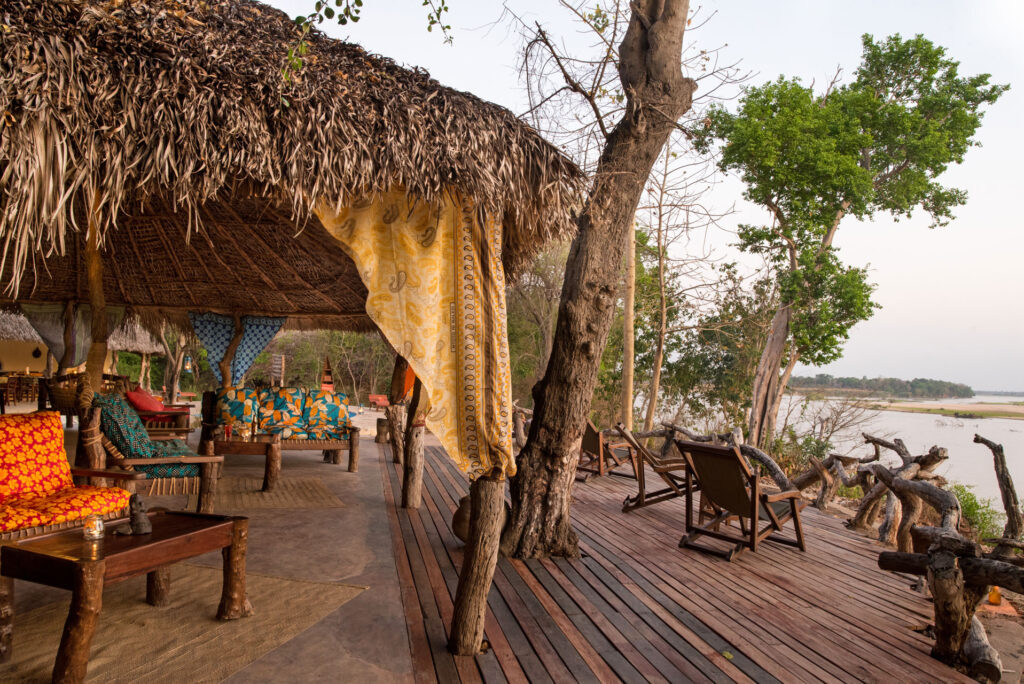
2. Best Eco-Friendly Safari Lodges & Camps in Tanzania
These lodges focus on sustainability, wildlife conservation, and supporting local communities.
📍 Serengeti National Park – Eco-Lodges in the Heart of the Migration
✔ 🏡 Sayari Camp (Asilia Africa)
- Solar-powered, plastic-free, and community-run initiatives.
- Great location near the Mara River crossings.
✔ 🏡 Nomad Serengeti Safari Camp
- Mobile camp that moves with the Great Migration to avoid over-tourism in one area.
- Uses solar energy, biodegradable products, and supports local education projects.
✔ Tip: Staying in mobile camps reduces long-term impact on the Serengeti’s ecosystem.
📍 Ngorongoro Conservation Area – Stay in Eco-Luxury Lodges
✔ 🏡 The Highlands, Ngorongoro
- Operates on 100% solar power and built with low-impact materials.
- Supports Maasai community projects.
✔ 🏡 Gibb’s Farm
- A working organic farm using sustainable farming and water conservation techniques.
- Offers farm-to-table dining with locally grown ingredients.
✔ Tip: Choose lodges that actively invest in Maasai communities to ensure your stay benefits locals.
📍 Ruaha & Selous (Nyerere NP) – Remote, Wild & Sustainable
✔ 🏡 Jabali Ridge (Ruaha NP)
- Eco-friendly solar-powered lodge in a less-touristy national park.
- Part of conservation programs to protect wild dogs & lions.
✔ 🏡 Siwandu Camp (Selous/Nyerere NP)
- Plastic-free camp with sustainable water use and local employment.
- Supports marine conservation and anti-poaching patrols.
✔ Tip: The southern parks (Ruaha & Selous) have fewer tourists, making them ideal for low-impact safaris.
3. How to Travel Responsibly on Safari in Tanzania
✔ Avoid Single-Use Plastics – Bring a reusable water bottle and avoid plastic straws.
✔ Respect Wildlife – Keep a safe distance, never feed animals, and avoid chasing wildlife for photos.
✔ Support Local Communities – Buy handmade crafts from local artisans instead of mass-produced souvenirs.
✔ Stay on Designated Roads & Trails – Off-road driving can damage sensitive ecosystems.
✔ Choose Ethical Tour Operators – Avoid tours that offer wildlife petting or elephant riding.
✔ Tip: Many eco-lodges provide reusable water bottles and filtered water stations—use them instead of buying bottled water.
4. Conservation-Focused Safari Experiences in Tanzania
Want to do more than just observe wildlife? These activities let you actively support conservation efforts.
✔ Walking Safaris with Conservationists – Learn about anti-poaching efforts in Ruaha & Tarangire.
✔ Rhino Tracking in Ngorongoro – Support black rhino conservation projects in the crater.
✔ Elephant Research Safaris – Participate in elephant tracking and collaring projects in Tarangire.
✔ Marine Conservation in Zanzibar – Help protect coral reefs & endangered sea turtles.
✔ Tip: Ask your tour operator about volunteer-based conservation safaris for a more meaningful experience.
5. Best Time for an Eco-Friendly Safari in Tanzania
✔ Green Season (November–April) – Best for birdwatching & fewer tourists, making it less disruptive to wildlife.
✔ Dry Season (June–October) – Ideal for game viewing, but some areas get crowded—choose lesser-visited parks like Ruaha or Selous.
✔ Tip: Visit in the shoulder seasons (March & November) for a balance of good wildlife viewing and fewer crowds.
6. Frequently Asked Questions (FAQs) About Sustainable Safaris
Q1: What is the most eco-friendly way to go on safari?
✔ Stay in solar-powered lodges, use reusable water bottles, and choose smaller, responsible safari operators.
Q2: How can I support conservation while on safari?
✔ Donate to anti-poaching organizations, book with eco-certified lodges, and participate in conservation-focused activities.
Q3: Which national park is the most eco-friendly?
✔ Serengeti & Ruaha National Parks have many sustainable lodges & active conservation programs.
Q4: Are eco-friendly safaris more expensive?
✔ Not always! Many mid-range & budget lodges follow eco-friendly principles, such as Eileen’s Trees Inn (Ngorongoro) and Tarangire Safari Lodge.
Conclusion: Experience a Sustainable Safari in Tanzania
An eco-friendly safari in Tanzania is not just about seeing wildlife—it’s about protecting it for future generations.
✔ Stay in eco-lodges that use solar energy & support local communities.
✔ Choose ethical safari operators with low-impact tourism practices.
✔ Take part in conservation experiences to make your trip meaningful.
Ready to Plan a Sustainable Safari?
Contact us today for custom eco-friendly safari packages that support conservation & local communities!
More Tanzania Safari Guides

Private Safari Tanzania: Complete Guide to Planning Your Trip
A private safari in Tanzania gives you more control over how you experience the country’s wildlife, landscapes and national parks.…
Read more →
Southern Tanzania Safari: Which Park Is Right for You?
Choosing between Mikumi National Park, Nyerere National Park and Ruaha National Park depends less on which park is “best” and…
Read more →
Southern Tanzania Safari vs Northern Tanzania Safari: Which Is Better?
Planning a safari in Tanzania often begins with one important question: should you choose Northern Tanzania or Southern Tanzania? Both…
Read more →
Best National Parks to Visit on a Tanzania Safari (Northern, Southern & Western Guide)
Choosing the right parks is the most important decision when planning a Tanzania safari. Tanzania offers three distinct safari circuits…
Read more →