Tanzania Safari Specialists • Local Owned • Tripadvisor Reviews
Lemosho Route

Kilimanjaro Climbing – Lemosho Route 7 Days

The 7-Day Lemosho Route is a scenic camping trek across the western side of Mount Kilimanjaro. The route begins in the Lemosho area and gradually approaches the mountain's higher elevations before joining the southern circuit toward the summit.

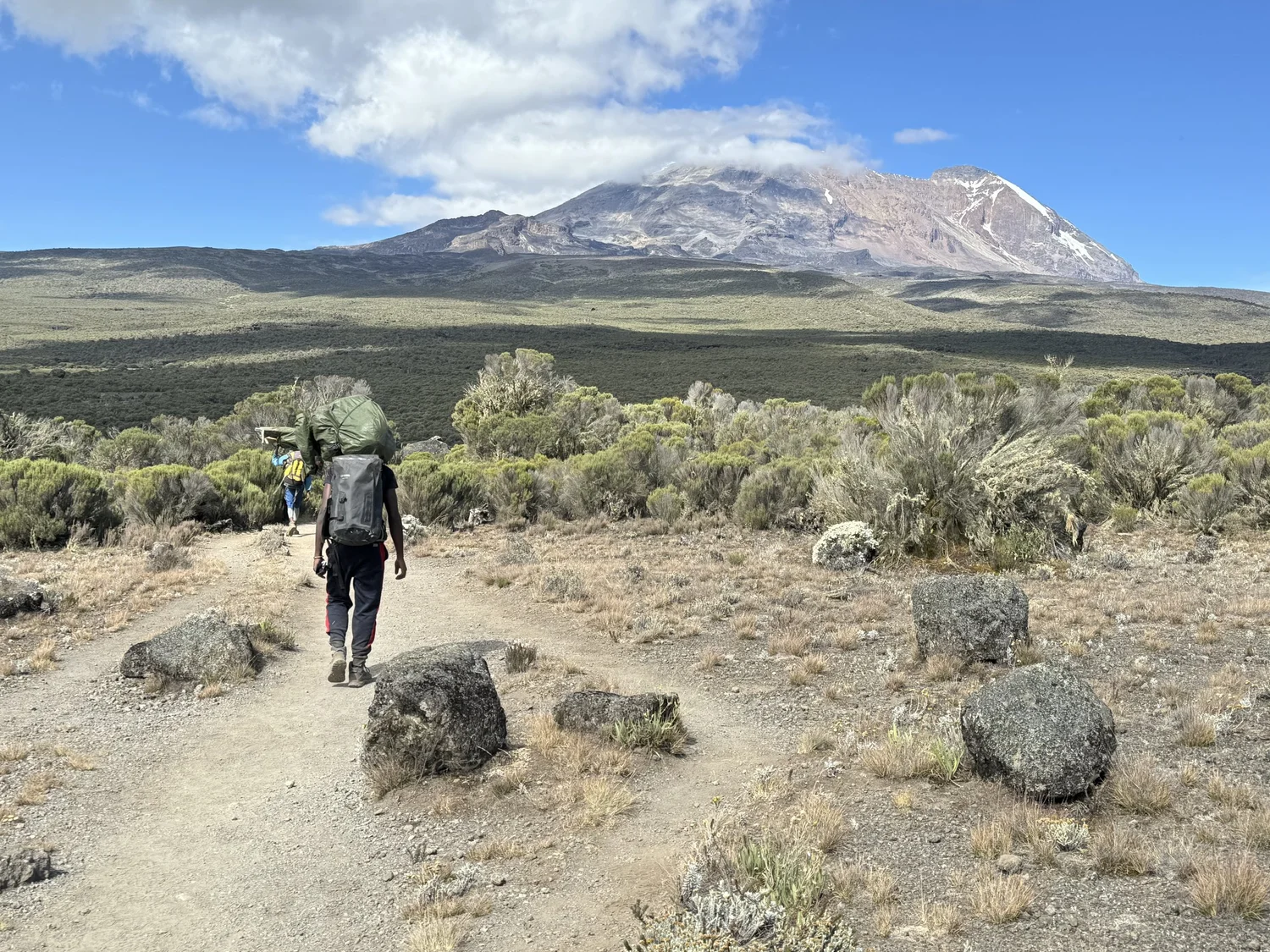
Lemosho is known for its scenic landscapes, gradual approach and diverse ecological zones. During the climb, trekkers pass through montane forest, moorland, alpine desert and the high-altitude summit environment before attempting Uhuru Peak at 5,895 metres.

The seven-day itinerary provides more time on the mountain than the shorter Kilimanjaro itineraries, allowing the climb to progress through several stages before the summit attempt.

shira route kilimananjaro
Duration7 Days
Distance70 km
DifficultyChallenging
Highest Point5,895 m / 19,341 ft
AccommodationMountain Camping
THE ROUTE

About the Lemosho Route

The Lemosho Route begins on the western side of Kilimanjaro, providing a quieter approach during the early stages of the trek.

The trail initially passes through forest before reaching the higher moorland environment. As the climb progresses, the landscape becomes increasingly open and dramatic.

One of the major features of the route is its transition toward the southern circuit, where climbers experience different views of the mountain before reaching the high-altitude areas around Barafu.

The final challenge is the summit ascent toward Uhuru Peak, followed by the descent through the mountain's upper and lower ecological zones.

DAY BY DAY

7-Day Kilimanjaro Itinerary

1

Londorossi Gate to Mti Mkubwa Camp

Route: Londorossi Gate → Mti Mkubwa CampElevation: 2,100 m to 2,780 mDistance: 6 kmHiking time: 3–4 hoursStay: Mti Mkubwa CampMeals: Lunch & Dinner

After the morning transfer to the western side of Mount Kilimanjaro, complete the necessary registration procedures at Londorossi Gate. The trek then begins through the montane forest. The trail is surrounded by dense vegetation and the environment is considerably different from the higher sections of the mountain. The first day's walk is relatively short compared with later stages and provides an introduction to the mountain environment before the route continues toward the Shira Plateau. Overnight at Mti Mkubwa Camp.
2

Mti Mkubwa Camp to Shira 1 Camp

Route: Mti Mkubwa → Shira 1 CampElevation: 2,780 m to 3,500 mDistance: 8 kmHiking time: 4–6 hoursStay: Shira 1 CampMeals: Lunch & Dinner

After breakfast, continue climbing through the forest toward the higher heath and moorland environment. As the trail gains elevation, the vegetation becomes more open and the views across the mountain landscape begin to expand. The route eventually reaches the Shira Plateau, one of the distinctive landscapes along the Lemosho approach. Overnight at Shira 1 Camp.

3

Shira 1 Camp to Shira 2 Camp

Route: Shira 1 → Shira 2 CampElevation: 3,500 m to 3,850 mDistance: 8–10 kmHiking time: 4–6 hoursStay: Shira 2 CampMeals: Breakfast, Lunch & Dinner

Continue across the Shira Plateau toward Shira 2 Camp. The terrain becomes more open and the landscape provides broad views across the surrounding mountain environment. The relatively gradual progression across the plateau allows the trek to continue toward higher elevations before entering the more demanding sections of the mountain. Overnight at Shira 2 Camp.

4

Shira 2 Camp to Barranco Camp

Route: Shira 2 → Lava Tower → Barranco CampElevation: 3,850 m → 4,630 m → 3,960 mDistance: 10–11 kmHiking time: 6–8 hoursStay: Barranco CampMeals: Breakfast, Lunch & Dinner

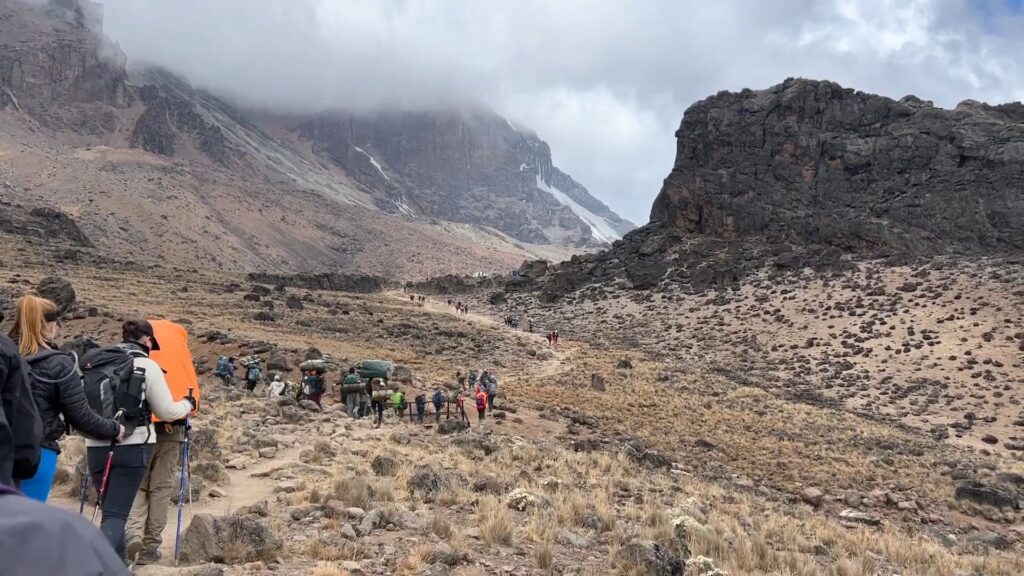
Today the route climbs toward Lava Tower before descending toward Barranco Camp. The day is particularly useful for experiencing the mountain's higher-altitude environment because the trail reaches a significantly higher elevation before descending for the overnight stay. The landscape becomes increasingly rocky and alpine as the route moves away from the lower vegetation zones. After reaching the Barranco area, settle into camp and prepare for the next stage of the climb. Overnight at Barranco Camp.

5

Barranco Camp to Karanga Camp

Route: Barranco Camp → Karanga CampElevation: 3,960 m to 4,035 mDistance: 5 kmHiking time: 4–5 hoursStay: Karanga CampMeals: Breakfast, Lunch & Dinner

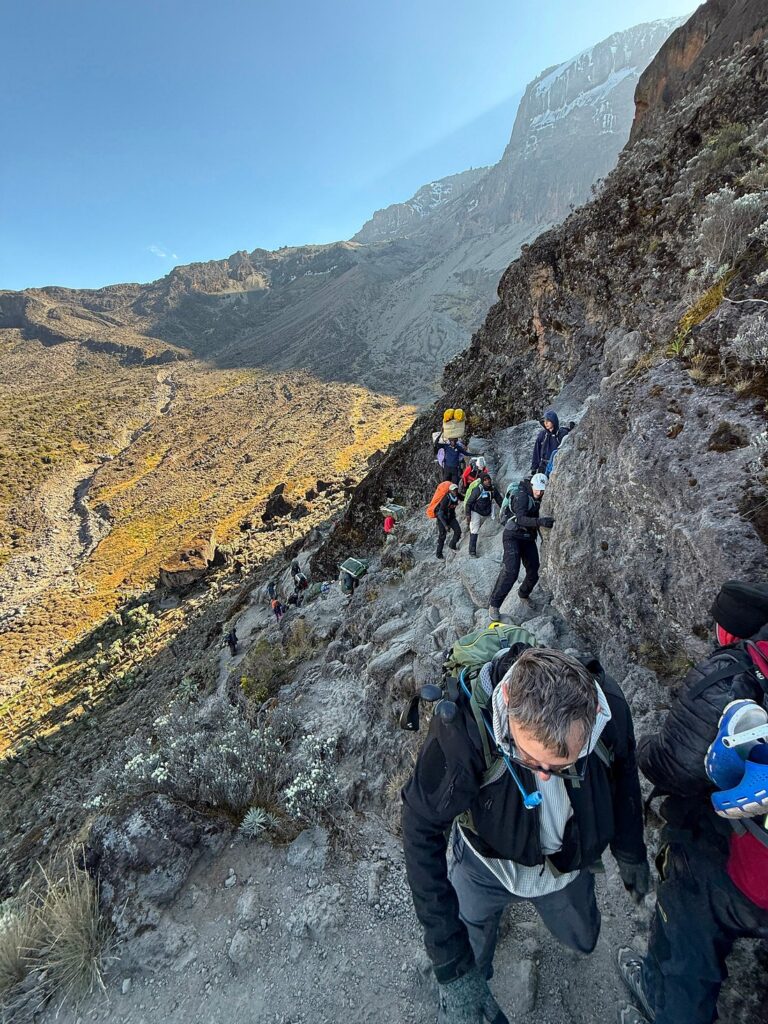
The day begins with the climb up the Barranco Wall, one of the most recognizable sections of the southern approach to Kilimanjaro. The trail then continues through high-altitude terrain toward Karanga Camp. Although the distance is relatively short, the terrain and elevation make this an important stage of the ascent. After arriving at camp, rest and prepare for the final approach toward Barafu and the summit. Overnight at Karanga Camp.

6

Karanga Camp to Barafu Camp and Summit Attempt

Route: Karanga → Barafu Camp → Uhuru Peak → Millennium CampElevation: 4,035 m → 4,640 m → 5,895 m → lower elevationDistance: 15–17 kmHiking time: 10–14 hoursStay: Millennium CampMeals: Breakfast, Lunch & Dinner

This is the principal summit day and the most demanding stage of the climb. The trek continues toward Barafu Camp, where the summit preparation begins. Depending on the itinerary schedule, the summit attempt starts during the night or very early morning. The climb toward Uhuru Peak takes place in darkness and cold conditions. The trail becomes increasingly steep as it approaches the crater rim. After reaching the summit area and, where conditions permit, Uhuru Peak, spend a short period at the summit before beginning the descent. The descent continues toward a lower camp for recovery and overnight rest.

7

Millennium Camp to Mweka Gate

Route: Millennium Camp → Mweka GateElevation: 1,640 mDistance: 10 kmHiking time: 3–5 hoursStay: Hotel in Moshi or Arusha according to packageMeals: Breakfast & Lunch

After breakfast, begin the final descent through the mountain forest toward Mweka Gate. At the gate, complete the necessary exit procedures before meeting the transfer vehicle. Continue to Moshi or Arusha for a well-earned rest. Travelers continuing their Tanzania adventure can then begin the next part of their journey, including a Northern Tanzania safari.

WHY THIS CLIMB

Why Choose This Kilimanjaro Tour?

Scenic western approach to Mount Kilimanjaro
Longer route compared with shorter climbs
Camping throughout the mountain trek
Diverse vegetation and landscapes
Gradual progression toward higher altitude
Excellent opportunity to experience different sides of Kilimanjaro
Suitable for trekkers looking for a more immersive mountain experience
Summit attempt at Uhuru Peak

The 7-day itinerary also gives trekkers more time on the mountain than a very short Kilimanjaro program, although altitude acclimatization remains individual and cannot be guaranteed simply by choosing a particular number of days.

BOOKING DETAILS

What's Included

Included

  • Kilimanjaro National Park entry fees
  • Kilimanjaro camping fees
  • Kilimanjaro rescue fees
  • Professional mountain guide
  • Assistant guides according to group size
  • Mountain porters
  • Mountain cook
  • Mountain tents
  • Sleeping tents and camping equipment
  • Three meals per day on the mountain
  • Drinking water during the trek
  • Airport transfers according to the package
  • Pre-climb accommodation according to the package
  • Post-climb accommodation according to the package
  • Park-authorized mountain crew
  • Summit assistance and mountain safety support

Not Included

  • International flights
  • Tanzania visa
  • Travel insurance
  • Personal trekking equipment
  • Personal clothing and hiking boots
  • Tips for guides, porters and cook
  • Personal drinks and alcoholic beverages
  • Personal expenses
  • Additional hotel nights outside the included package
  • Medical expenses
  • Evacuation outside the services provided under the park rescue system
  • Optional activities
IMPORTANT INFORMATION

Before You Climb

Altitude is the main challenge on the 6-day Machame Route. The seven-day version provides an additional day on the mountain, while the 6-day itinerary follows a more compact schedule. Climbers should arrive well prepared, follow a steady pace, stay hydrated, and communicate any symptoms of altitude sickness to the mountain crew. Reaching the summit is never guaranteed, as the guide may recommend stopping or descending if conditions become unsafe.

TOUR FAQ

Frequently Asked Questions About This Climb

How difficult is the 7-day Lemosho Route?

The 7-day Lemosho Route is a moderate-to-challenging high-altitude trek. The summit day is particularly demanding because of the elevation, cold conditions and long walking hours. Preparation, pacing and acclimatization are important.

Is the Lemosho Route a camping route?

Yes. The Lemosho Route is operated as a camping trek, with climbers staying in mountain tents at designated camps during the ascent and descent.

What makes the Lemosho Route different from Machame?

Lemosho approaches Kilimanjaro from the western side and includes the Shira Plateau during its early stages. Machame begins farther south and follows a different initial approach before joining sections of the southern circuit.

How high does the 7-day Lemosho Route climb?

The summit objective is Uhuru Peak at approximately 5,895 metres above sea level.